Top Membership Platforms Ranked by Ease of Use

Finding the right membership platform shouldn’t require a tech degree. This guide ranks the top membership platforms by ease of use so you can launch faster and spend less time fighting your software.
Table of Contents
- What “Ease of Use” Actually Means Here
- Top Membership Platforms Ranked by Ease of Use: The Full List
- #1 Podia — Easiest Overall (Ease Score: 5/5)
- #2 Teachable — Best Guided Experience (Ease Score: 4.5/5)
- #3 Thinkific — Best for Educators Who Want Control (Ease Score: 4/5)
- #4 Kajabi — Most Complete, But Has a Learning Curve (Ease Score: 3.5/5)
- #5 Kartra — Powerful, But Built for Marketers (Ease Score: 2.5/5)
- #6 GoHighLevel — Agency-Grade, Not Beginner-Friendly (Ease Score: 2/5)
- Who Should Pick Which Platform
- Frequently Asked Questions
Finding the right membership platform is harder than it looks. Every vendor promises “simple setup,” but the actual experience varies wildly once you’re inside the dashboard. This guide gives you the top membership platforms ranked by ease of use — with honest notes on who each one suits, what it costs, and where the friction shows up.
Photo: juliane Monari (Pexels)
Quick answer: Podia is the easiest platform to launch on same-day, with no technical setup required. Kajabi offers the most complete all-in-one experience for creators willing to pay for it. Thinkific and Teachable sit in the middle — solid, approachable, and well-documented. GoHighLevel and Kartra are powerful but aimed at marketers who think in workflows, not content.
What “Ease of Use” Actually Means Here
Before the rankings: ease of use isn’t just about a clean interface. It covers four things:
- Onboarding speed — How fast can you go from signup to a live membership page?
- Content upload workflow — Can a non-developer upload videos, PDFs, and lessons without help?
- Payment and access setup — Does gating content for paying members require code or third-party tools?
- Learning curve over time — Does the platform stay manageable as you add more products?
Each platform below is rated across these four dimensions using a 1–5 scale. The overall score drives the ranking.
Top Membership Platforms Ranked by Ease of Use: The Full List
| Platform | Starting Price | Ease Score (1–5) | Best For | Free Plan / Trial | Standout Feature |
|---|---|---|---|---|---|
| Podia | $9/mo (Mover) | 5 / 5 | Beginners launching fast | Free plan available | All-in-one storefront in one click |
| Teachable | $0 (Free), $39/mo (Basic) | 4.5 / 5 | Solopreneurs selling courses + memberships | Free plan (transaction fees apply) | Guided course builder with strong support docs |
| Thinkific | $0 (Free), $36/mo (Basic) | 4 / 5 | Educators who want design control | Free plan (1 course, 1 community) | Drag-and-drop lesson builder |
| Kajabi | $69/mo (Kickstarter) | 3.5 / 5 | Full-time creators scaling revenue | 30-day free trial | Built-in email, pipelines, and community |
| Kartra | $119/mo (Starter) | 2.5 / 5 | Marketers who need funnel automation | 30-day trial ($1) | Deep automation and behavioral tagging |
| GoHighLevel | $97/mo (Starter) | 2 / 5 | Agencies managing client memberships | 14-day free trial | White-label capability for agencies |
#1 Podia — Easiest Overall (Ease Score: 5/5)
Podia wins the top spot in any list of top membership platforms ranked by ease of use because the onboarding genuinely removes every obstacle.
After signup, a checklist walks you through adding a product, connecting Stripe or PayPal, and publishing your storefront — all from a single left-hand navigation. There’s no separate “page builder” or “funnel builder” to learn.
What makes it simple:
– Memberships, digital downloads, courses, and coaching live under one roof with no plugin setup
– The free plan lets you test everything before paying a cent
– Drip content scheduling is a toggle, not a workflow
Where it shows friction: Podia’s customization ceiling is lower than Kajabi or Thinkific. If you want a highly branded member portal with custom CSS and advanced logic, you’ll hit limits around month three.
Pricing note: The Mover plan is $9/mo on annual billing; the Shaker plan (adds affiliate marketing) is $59/mo.
#2 Teachable — Best Guided Experience (Ease Score: 4.5/5)
Teachable has spent years refining its new-user flow, and it shows. The course builder uses a linear, step-by-step sidebar so you always know what to do next: add a section, add a lecture, add content.
Memberships are available as a product type directly inside the platform — no third-party plugin required. You set a price, choose what content members can access, and go live.
What makes it approachable:
– Extensive help documentation and in-app tutorials cover almost every scenario
– The free plan lets you publish one course before spending anything (5% transaction fee applies)
– Student analytics (completion rates, engagement) are easy to read without a data background
Where it shows friction: Transaction fees on the free and Basic plans ($39/mo) catch beginners off guard. At scale, upgrading to the Pro plan ($119/mo) eliminates the fees and unlocks advanced membership features like member-only community spaces.
Teachable is the safer pick if you want hand-holding but also room to grow beyond hobby level.
#3 Thinkific — Best for Educators Who Want Control (Ease Score: 4/5)
Thinkific appeals to educators who want their membership site to look like their brand, not a generic platform template. The drag-and-drop lesson builder handles video, audio, PDFs, quizzes, and surveys without any coding.
The free plan is genuinely usable: one course, one community, and a functional checkout page. That’s enough to validate an idea before committing money.
What works well:
– The site builder gives more design flexibility than Teachable at the same price tier
– Community features (via Thinkific Communities) are native, not bolt-on
– Bundles and payment plans are available without upgrading to a top tier
Where it shows friction: The membership model requires more manual setup than Podia. You’ll configure access rules, enrollment settings, and pricing pages in separate sections, which adds steps for a beginner.
The Basic plan is $36/mo (annual). Mid-tier creators who want a professional-looking school without Kajabi’s price point will find Thinkific hits a sweet spot.
#4 Kajabi — Most Complete, But Has a Learning Curve (Ease Score: 3.5/5)
Kajabi appears on every list of top membership platforms ranked by ease of use, though usually with a caveat: it’s easier than it used to be, but it still asks more of you than the platforms above.
The payoff is real. Kajabi handles your membership, email marketing, sales pages, checkout, community, and analytics from one dashboard — no integrations needed. For a creator who would otherwise stitch together four tools, that consolidation reduces total complexity significantly.
What takes adjustment:
– “Products,” “Pipelines,” “Communities,” and “Email Sequences” are four separate navigation sections, each with their own logic
– New users often spend 2–3 hours in onboarding materials before publishing their first product
– The cheapest plan (Kickstarter, $69/mo) limits you to one product and 50 contacts, which feels tight
Where it earns its score: Once you learn the system, building a full launch sequence — membership product + email automation + checkout page — takes under two hours. The templates are professional and genuinely customizable.
Kajabi makes the most sense for creators already generating revenue who want to consolidate tools and stop paying for five separate subscriptions.
#5 Kartra — Powerful, But Built for Marketers (Ease Score: 2.5/5)
Kartra packs in more automation capability than any platform on this list. Behavioral tagging, multi-step sequences, lead scoring, and A/B testing are all native. But that power comes with a steeper mental model.
Setting up a basic membership in Kartra requires you to understand how “pages,” “memberships,” and “sequences” interact — concepts that a course-first creator may not need for months. The interface has improved, but the sidebar still has 12+ main sections.
Best-fit use case: An affiliate marketer or info-product seller who wants to sell a membership as part of a longer funnel — upsell from lead magnet → tripwire → membership — will find Kartra’s automation depth valuable. A beginner launching their first community is likely to feel overwhelmed.
The Starter plan runs $119/mo. That’s a real commitment for someone still testing their first membership idea.
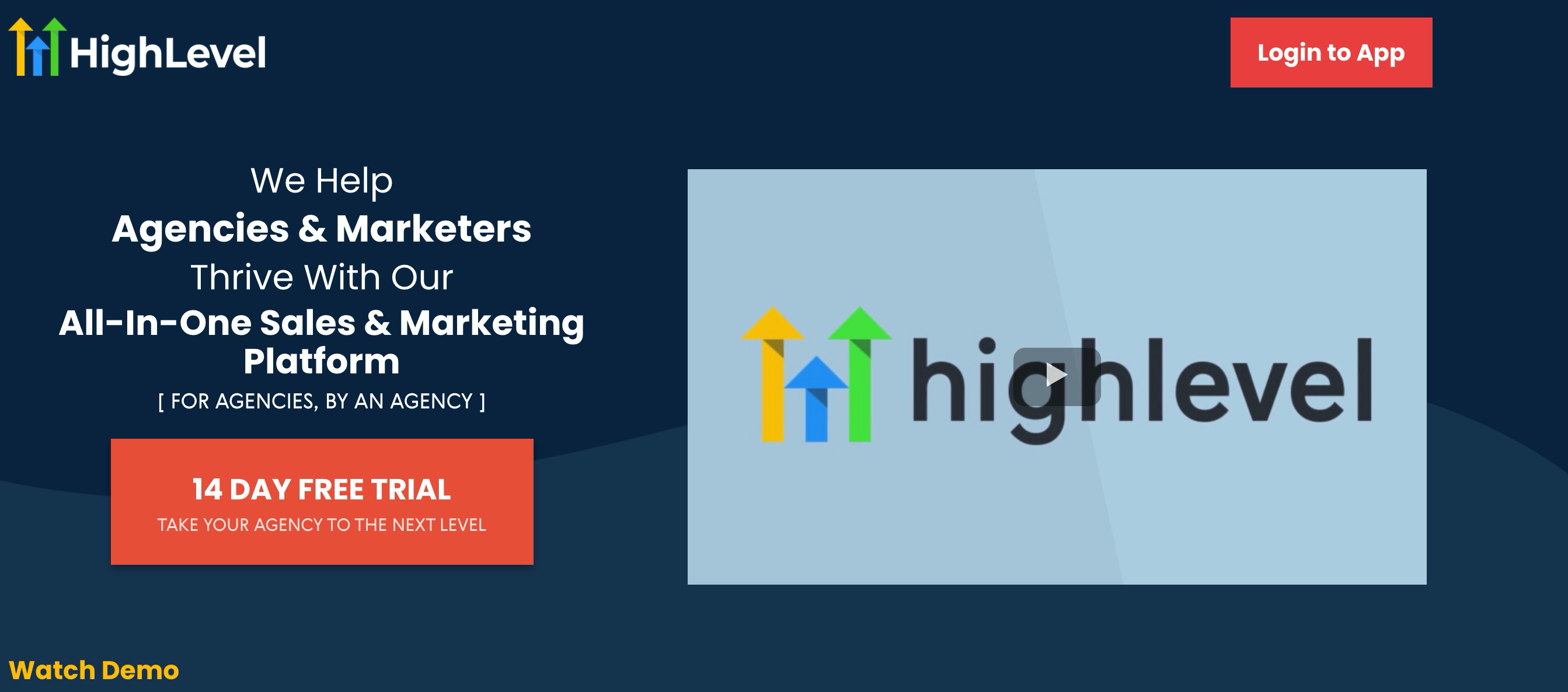
#6 GoHighLevel — Agency-Grade, Not Beginner-Friendly (Ease Score: 2/5)
GoHighLevel earns its spot on a list of top membership platforms ranked by ease of use mainly as a contrast point. It’s an agency platform first, membership platform second.
The course and membership builder works — it handles gating, drip content, and progress tracking. But it lives inside a CRM-centric ecosystem with pipeline management, SMS marketing, and reputation management all competing for dashboard space. If you’re a solopreneur, most of those features are noise.
When GoHighLevel makes sense: You’re an agency managing membership sites for multiple clients. The white-label option ($497/mo SaaS plan) lets you rebrand the entire platform. No other tool on this list offers that.
When to skip it: You’re building your first membership and have no team. The learning investment is significant, and the $97/mo Starter plan doesn’t include white-labeling.
Who Should Pick Which Platform
Here’s the quick selection guide based on realistic user profiles:
- You’re launching your first membership this week: → Podia. Sign up, connect Stripe, publish.
- You want guided setup and strong documentation: → Teachable Free plan to start, upgrade when you hit 50 students.
- You care about your site looking uniquely branded: → Thinkific Basic at $36/mo.
- You’re already making $2K+/month and want to consolidate tools: → Kajabi Kickstarter or Growth plan.
- You sell through funnels and need deep automation: → Kartra Starter at $119/mo.
- You’re an agency managing client memberships: → GoHighLevel Starter at $97/mo.
Frequently Asked Questions
Which membership platform is truly free to start?
Podia, Teachable, and Thinkific all offer free plans. Podia’s free plan charges an 8% transaction fee. Teachable’s free plan charges 5%. Thinkific’s free plan has no transaction fees but limits you to one course and one community. Start with Thinkific’s free plan if you want to keep more revenue early.
How long does it take to launch a membership on these platforms?
On Podia, a functional membership page — with a product, a checkout, and gated content — can go live in under two hours. Teachable and Thinkific add another hour for configuration. Kajabi typically requires a half-day for new users to feel comfortable before publishing.
What’s the difference between a course platform and a membership platform?
A course platform sells access to structured lessons with a defined endpoint. A membership platform sells recurring access — often to ongoing content, a community, or both. Most modern platforms (Teachable, Kajabi, Podia) support both models, but their workflows are optimized differently.
Do I need technical skills to run a membership site?
Not on Podia, Teachable, or Thinkific. Payment processing connects via Stripe or PayPal with a few clicks, and video hosting is typically included. Kartra and GoHighLevel benefit from some marketing-tech familiarity, but neither requires coding.
Is Kajabi worth the higher price for a new creator?
Generally, no — not at launch. The Kickstarter plan at $69/mo limits you to one product and 50 active customers, which creates pressure before you’ve validated your idea. Most experienced online business advisors suggest starting on Podia or Teachable and migrating to Kajabi once revenue covers the cost comfortably.
This overview of the top membership platforms ranked by ease of use focuses on where most US-based creators actually get stuck: setup complexity, pricing surprises, and feature gaps that only appear after launch. The rankings reflect usability research and publicly available product information — not vendor claims.
Want more guides like this? Bookmark the site and check back for detailed platform comparisons, pricing breakdowns, and step-by-step setup walkthroughs.
External reference: Thinkific’s current plan pricing is published at thinkific.com/pricing.
0 Comments on "Top Membership Platforms Ranked by Ease of Use"
Related posts




Leave a Comment
You must be logged in to post a comment.