Top Affiliate Programs Ranked by Ease of Use

Not all affiliate programs are created equal — especially for beginners. This guide ranks the top affiliate programs by ease of use, covering signup, dashboard clarity, and payout reliability.
Table of Contents
- Why “ease of use” matters as much as commission rate
- Top affiliate programs ranked by ease of use: the full list
- Comparison table: top affiliate programs ranked by ease of use
- Who should pick which program
- Common mistakes that kill beginner affiliate earnings
- Frequently asked questions
The top affiliate programs ranked by ease of use share three traits: fast approval, a clean dashboard, and predictable payouts. This guide evaluates eight well-known programs across those criteria — plus commission rates and cookie windows — so you can pick the right fit without wading through fine print.
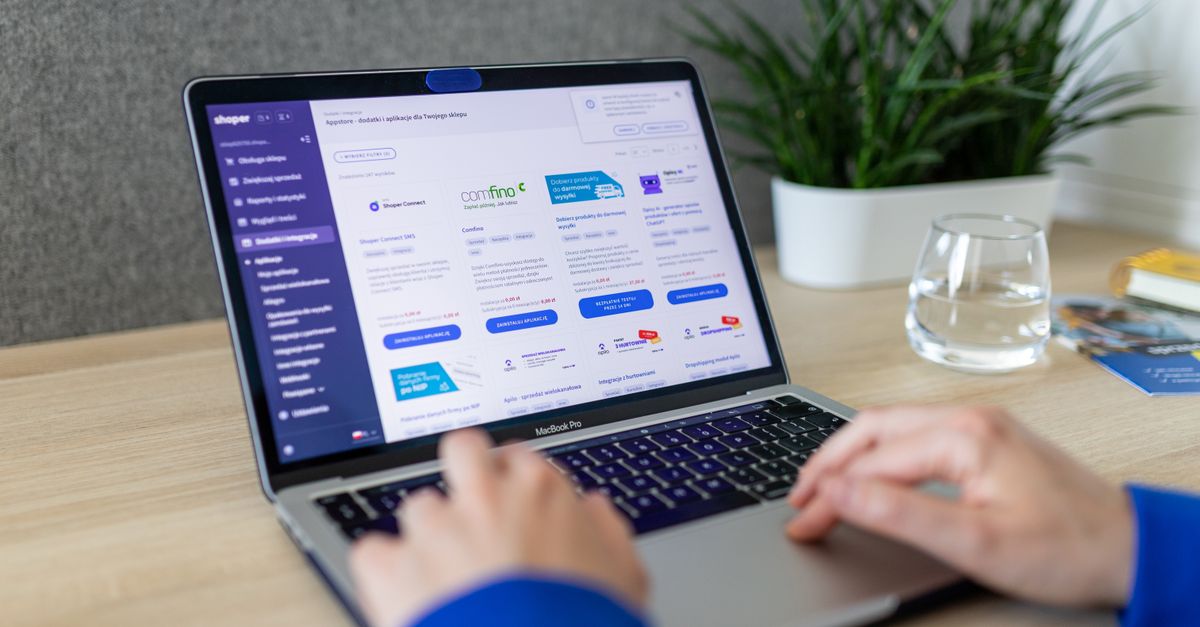
Photo: www.kaboompics.com (Pexels)
Why “ease of use” matters as much as commission rate
A 50% commission means nothing if you spend three hours a week fighting a broken reporting dashboard or chasing delayed payments.
New affiliates especially underestimate operational friction. A program that approves you instantly, gives you a single trackable link, and pays via PayPal on the 15th is worth far more than one that takes six weeks to approve you, uses a legacy interface, and mails paper checks quarterly.
The criteria used to rank each program below:
- Signup friction — application length, approval time, and requirements
- Dashboard clarity — how quickly you find links, stats, and creatives
- Link generation — one click vs. buried multi-step processes
- Payout mechanics — minimum threshold, payment methods, frequency
- Support quality — access to a real help channel when something breaks
Top affiliate programs ranked by ease of use: the full list
1. Amazon Associates — easiest entry point, cluttered dashboard
Best for: content bloggers in any niche who want instant product coverage.
Amazon’s program approves most applicants within 24 hours. The SiteStripe toolbar lets you generate a product link directly from any Amazon page — no logging into a separate portal.
The downside: the reporting interface is dated and dense. Commission rates start at 1% for electronics and cap at 10% for luxury beauty. You must generate at least three qualifying sales within 180 days of joining, or your account closes automatically.
Payout minimum is $10 (direct deposit), and payments arrive about 60 days after the close of the earning month.
Ease-of-use score: 8/10 — unbeatable for link generation; slightly weaker for reporting.
2. ShareASale — best mid-tier network for variety
Best for: bloggers and niche site owners who want access to thousands of merchants under one login.
ShareASale has been running since 2000 and remains one of the most stable affiliate networks for US publishers. The application is straightforward; once approved at the network level, you apply to individual merchants separately.
The dashboard took a redesign in recent years and is now reasonably clean. Real-time reporting, a “Make A Link” tool, and banner/text creative libraries are all accessible from the left sidebar.
Minimum payout is $50, paid on the 20th of each month via check or direct deposit. Merchant approval times vary — some auto-approve, others take days.
Ease-of-use score: 7.5/10 — slight friction from per-merchant approvals, but strong once you’re in.
3. Impact (impact.com) — best dashboard for serious affiliates
Best for: intermediate to advanced marketers who want detailed attribution and multiple brand partnerships.
Impact’s interface is modern and data-rich. You can see click-to-conversion paths, compare performance across brands, and generate deep links without leaving the platform. Major brands like Semrush, Hostinger, and Bluehost run their affiliate programs through Impact.
The tradeoff: the signup and brand application process is more involved than Amazon or ShareASale. Impact requires a real website or social presence with verifiable traffic before most brands approve you.
Payout minimums and schedules vary by brand, but most US-based partners pay monthly via PayPal or bank transfer.
Ease-of-use score: 7/10 — the best reporting in this list, but steeper initial barrier.
4. Kit (ConvertKit) Affiliate Program — easiest SaaS program to manage
Best for: bloggers and course creators who already recommend email marketing tools.
Kit’s affiliate program (formerly ConvertKit) pays 30% recurring commission for 24 months per referred customer. The program runs on LinkMite, which gives you a simple dashboard with your referral link, earnings, and payouts on a single screen.
Approval is straightforward — essentially automatic if you apply with a real website. No minimum follower threshold is enforced at signup.
Payout minimum is $50, paid monthly via PayPal. The recurring structure means a single referral to Kit’s Creator plan ($25/month) earns you $7.50/month for up to two years.
Ease-of-use score: 8.5/10 — minimal friction from application to first payout.
5. Teachable Partner Program — clean, no-fuss course affiliate
Best for: bloggers in the education, online business, or coaching niches.
Teachable’s affiliate program pays 30% recurring for one year. It runs on Impact, so the reporting is solid. The application is quick, and Teachable’s brand recognition means conversions are typically steady.
Deep-link generation to specific course checkout pages takes a few extra clicks through Impact, but it works reliably. Teachable also provides promotional banners and seasonal deal assets through the dashboard.
Minimum payout is $50 via PayPal or direct deposit.
Ease-of-use score: 7.5/10 — slightly dependent on Impact’s interface, but well-organized.
6. Bluehost Affiliate Program — high flat fee, straightforward setup
Best for: bloggers in the “how to start a blog” or tech beginner niche.
Bluehost pays a flat $65–$100+ per qualified signup depending on performance tier. Their affiliate portal (hosted on Impact) is clean and well-documented. Bluehost provides promotional banners, text links, and detailed tracking per click.
The main friction point: Bluehost requires that referred customers complete payment before a commission locks in — no credit for free trials. Their standard payout threshold is $100 via electronic transfer, paid around the 15th of the following month.
Ease-of-use score: 7/10 — reliable and transparent, with a slightly high payout minimum.
7. Systeme.io Affiliate Program — highest ease of use for all-in-one tool affiliates
Best for: beginners and marketers promoting funnel or business software.
Systeme.io’s affiliate program stands out for friction-free setup. You get a unique affiliate link immediately upon creating a free Systeme.io account — no separate application required. The in-platform dashboard shows clicks, commissions, and payouts in a single view.
Commission is 40% recurring for life. Systeme.io’s free plan makes it easy for your audience to try before they upgrade, which lowers conversion barriers. Payout minimum is $30, paid monthly via PayPal or bank transfer.
Ease-of-use score: 9/10 — the fastest path from signup to live affiliate link in this entire list.
8. GetResponse Affiliate Program — two models, solid tracking
Best for: email marketing content creators comfortable with recurring vs. bounty trade-offs.
GetResponse offers two affiliate structures: a $100 one-time bounty or 33% recurring commission. Both options are available in their affiliate portal, which is self-hosted and straightforward to navigate.
Application approval typically takes one to two business days. The dashboard provides banner assets, email swipe copy, and link tracking. Minimum payout is $50, paid monthly via PayPal or Eurotransfer.
The dual-model option is genuinely useful — content creators who drive high-volume cold traffic often prefer the bounty; those with engaged audiences tend to earn more from recurring.
Ease-of-use score: 7.5/10 — slightly above average, with the bonus of flexible commission structure.
Comparison table: top affiliate programs ranked by ease of use
| Program | Approval time | Commission type | Rate | Payout minimum | Ease-of-use score |
|---|---|---|---|---|---|
| Systeme.io | Instant | Recurring (lifetime) | 40% | $30 | 9/10 |
| Kit (ConvertKit) | ~24 hours | Recurring (24 months) | 30% | $50 | 8.5/10 |
| Amazon Associates | ~24 hours | Per sale | 1–10% | $10 | 8/10 |
| ShareASale | 1–3 days | Varies by merchant | Varies | $50 | 7.5/10 |
| Teachable | ~24 hours | Recurring (12 months) | 30% | $50 | 7.5/10 |
| GetResponse | 1–2 days | Bounty or recurring | $100 / 33% | $50 | 7.5/10 |
| Impact (as network) | 1–5 days | Varies by brand | Varies | Varies | 7/10 |
| Bluehost | ~24 hours | Flat fee per sale | $65–$100+ | $100 | 7/10 |
Who should pick which program
The top affiliate programs ranked by ease of use don’t serve every publisher equally. Match your starting point to the right fit:
Complete beginner with a new blog:
Start with Systeme.io (instant access, low payout minimum) or Amazon Associates (massive product catalog, $10 minimum). Both get you a live link on your first day.
Blogger in the email marketing or online business niche:
Kit and GetResponse are the natural choices. Both pay recurring commissions, which compound over time with a small but loyal audience.
Course or education content creator:
Teachable’s program covers a recognizable brand, and the 30% recurring rate adds up once your review content ranks.
Serious affiliate with an established site (10k+ monthly visits):
Impact gives you access to premium brands like Semrush, WP Engine, and Bluehost alongside professional-grade reporting. The approval friction is worth it at this stage.
Multi-niche or product-review blogger:
ShareASale’s merchant variety makes it practical to cover a dozen niches under one dashboard login.
Common mistakes that kill beginner affiliate earnings
Even with the easiest programs, certain habits consistently hurt new affiliates.
Chasing high commissions over audience fit. A 50% commission on a $500 SaaS tool earns nothing if your readers are hobbyist bloggers who would never pay that price. Match the product price point to your audience’s spending behavior.
Not reading cookie window terms. Amazon’s cookie lasts 24 hours. ShareASale merchants typically offer 30–90 days. A longer cookie window matters more for high-consideration purchases — software subscriptions, hosting plans — than for impulse buys.
Promoting too many programs at once. Three focused affiliate relationships outperform a scattered mix of twenty. Readers trust recommendations backed by sustained, consistent content — not a page that links to thirty different tools.
Frequently asked questions
How long does it take to get approved for most affiliate programs?
Most direct brand programs (Kit, Bluehost, Teachable) approve within 24 hours. Larger networks like ShareASale and Impact require network-level approval plus per-merchant approval, which can add two to five days. Systeme.io is the exception — your affiliate link activates the moment you create a free account.
Do you need a large audience to join these programs?
Most programs on this list have no enforced minimum traffic requirement at the network level. Amazon Associates does require three qualifying sales within 180 days, which can catch very new sites off guard. The practical minimum for most programs is a live, indexed website that demonstrates a real content focus.
What’s the difference between a recurring commission and a flat-fee bounty?
A recurring commission pays you a percentage every month for as long as the customer stays subscribed. A flat-fee bounty pays once per referral, regardless of how long the customer stays. Recurring commissions favor affiliates with a loyal, targeted audience; bounties work better for high-traffic funnels where volume matters more than retention.
Is a high cookie window always better?
Longer cookie windows (30–90 days) give your referrals more time to convert, which matters most for expensive, deliberate purchases like hosting plans or software subscriptions. For low-cost impulse products, a 24-hour window is rarely a dealbreaker because buyers decide quickly.
Can you promote multiple affiliate programs on the same blog?
Yes, and most successful content sites do. The key is keeping it contextually relevant. A post comparing email marketing tools can naturally promote Kit and GetResponse. A hosting guide can reference Bluehost and SiteGround. Mixing unrelated promotions on a single page typically reduces trust and conversion rates.
The top affiliate programs ranked by ease of use reward affiliates who choose based on fit — audience match, niche relevance, and operational simplicity — rather than chasing the highest commission rate in isolation. Start with one or two programs, build content that genuinely helps readers decide, and expand once your tracking data shows which placements convert.
Want more guides like this? Bookmark twofunnelsaway.com and check back as we publish deeper comparisons, program reviews, and affiliate strategy walkthroughs.
0 Comments on "Top Affiliate Programs Ranked by Ease of Use"
Related posts





Leave a Comment
You must be logged in to post a comment.