ShareASale vs Impact: pricing, features, and best fit

ShareASale and Impact are two of the most-used affiliate networks in the US, but they serve very different audiences. This comparison breaks down pricing, features, and who should use which.
Table of Contents
- What ShareASale and Impact actually are
- ShareASale vs Impact: pricing, features, and best fit — the advertiser side
- ShareASale vs Impact: pricing, features, and best fit — the publisher side
- Feature comparison table
- Tracking and attribution: where Impact pulls ahead
- Merchant availability: ShareASale’s numbers advantage
- ShareASale vs Impact: who should pick which
- Do you have to choose just one?
- Frequently asked questions
Choosing between ShareASale vs Impact: pricing, features, and best fit comes down to three things — your budget, your technical comfort level, and whether you’re joining as a publisher (affiliate) or a brand (advertiser). ShareASale is a beginner-friendly network with a large merchant catalog and no publisher fees. Impact is a more sophisticated platform built for performance marketers who want granular tracking, custom contracts, and direct brand relationships. Both are legitimate, widely-used options — the right one depends on what stage you’re at.
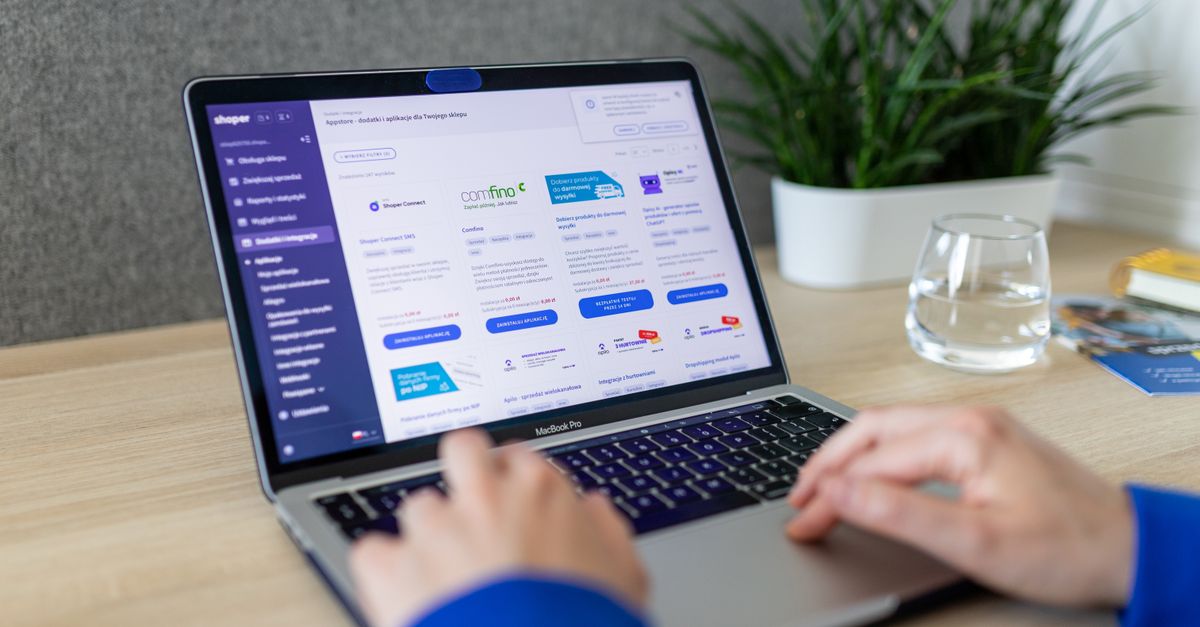
Photo: Alesia Kozik (Pexels)
What ShareASale and Impact actually are
Before comparing them head-to-head, it helps to understand the core model each platform uses.
ShareASale is a traditional affiliate network. Brands list their programs on ShareASale’s marketplace, publishers (bloggers, influencers, email marketers) apply to those programs, and ShareASale handles tracking, reporting, and payments. Awin acquired ShareASale in 2017, though it still operates as a separate network with its own merchant and publisher base.
Impact describes itself as a “partnership automation platform.” It functions more like a direct relationship manager than a traditional marketplace. Brands build their own affiliate programs inside Impact, and publishers apply to join specific brand programs. There’s no central marketplace in the traditional sense — you find brands either through Impact’s partner discovery tool or by visiting a brand’s own affiliate page.
Both platforms serve US-based advertisers and publishers. The difference is in the depth of features and the learning curve attached to each.
ShareASale vs Impact: pricing, features, and best fit — the advertiser side
If you’re a brand launching an affiliate program, the cost structure matters a lot.
ShareASale advertiser costs
To set up a program on ShareASale, advertisers pay:
- $625 one-time network access fee (as of the current fee schedule — [verify])
- $35/month minimum deposit into your affiliate account (used to pay commissions)
- 20% transaction fee on every commission paid out
The $625 is a real barrier for bootstrapped businesses. That said, once you’re in, the monthly operational cost is low if your program is small. ShareASale handles all tracking and payment infrastructure.
Impact advertiser costs
Impact does not publish a standard pricing page. Pricing is negotiated — brands pay a platform fee (typically a percentage of managed spend) plus a setup fee that varies by account size. The general consensus in the industry is that Impact is meaningfully more expensive than ShareASale for small advertisers.
Where Impact justifies the cost: you get access to real-time attribution modeling, cross-device tracking, custom contract structures (flat fee + CPA, hybrid deals, tiered payouts), fraud detection, and a dedicated account manager on higher tiers.
Bottom line for advertisers: ShareASale is the more accessible entry point. Impact makes sense once you’re running a program with enough volume that advanced attribution and custom partner terms create measurable ROI.
ShareASale vs Impact: pricing, features, and best fit — the publisher side
For bloggers and affiliate marketers joining as publishers, the fee structure flips — both platforms are free to join.
Publisher experience on ShareASale
ShareASale’s merchant directory lists thousands of programs across nearly every niche — home goods, software, fashion, finance, and more. You can filter by commission type (percentage vs. flat fee), cookie length, earnings per click (EPC), and reversal rate.
A few specifics worth knowing:
- Minimum payout: $50 (paid by check or direct deposit)
- Payment schedule: net-20 (payments go out 20 days after the close of the month in which earnings hit the threshold)
- Tracking: cookie-based; cookie lengths vary by merchant but are clearly listed in each program’s details
- Deep linking: available through a link generator inside the dashboard
For a blogger running a WordPress site using something like Thrive Architect or Elementor to build review pages, ShareASale is straightforward to integrate. Grab a link, drop it into your content, done.
Publisher experience on Impact
Impact’s publisher-facing product is called the Impact Publisher Network (previously Radius). You apply to individual brand programs, many of which are direct — meaning the brand manages their own program inside Impact rather than through a shared marketplace.
Key publisher details:
- Minimum payout: $10 (via PayPal, direct deposit, or wire)
- Payment schedule: brands set their own payment schedules, which varies
- Tracking: cookie-based plus mobile app tracking and promo code attribution
- Deep linking: available; Impact also supports universal tracking links across multiple partners
The publisher dashboard is more powerful than ShareASale’s but has a steeper learning curve. Filtering partner opportunities, managing contracts, and reading attribution reports takes some onboarding time.
One practical advantage: many large direct-to-consumer brands (including several in the software and SaaS space) run exclusively on Impact. If you write about tools that use Impact — and many do — you’ll need an Impact account regardless of what else you use.
Feature comparison table
| Feature | ShareASale | Impact |
|---|---|---|
| Publisher fee | Free | Free |
| Advertiser setup fee | $625 one-time | Custom (negotiated) |
| Network commission (advertiser) | 20% of payouts | % of managed spend (varies) |
| Publisher minimum payout | $50 | $10 |
| Merchant/partner discovery | Centralized marketplace | Discovery tool + direct brand pages |
| Tracking method | Cookie-based | Cookie + mobile + promo code |
| Custom commission structures | Limited | Extensive (tiered, hybrid, flat) |
| Fraud detection | Basic | Advanced (built-in) |
| Reporting depth | Standard | Advanced (attribution modeling) |
| Best for publishers | Bloggers, content sites, beginners | Experienced publishers, influencers, media |
| Best for advertisers | Small to mid-size brands | Mid to enterprise brands |
| Learning curve | Low | Moderate to high |
Tracking and attribution: where Impact pulls ahead
For most content bloggers, ShareASale’s cookie-based tracking is sufficient. You publish a review, a reader clicks your link, buys within the cookie window, and you earn a commission. Simple.
Impact goes further. It supports:
- Cross-device tracking: a user clicks on mobile but converts on desktop — Impact can still attribute the sale
- Promo code tracking: useful for influencers who mention a discount code in a video or newsletter rather than a clickable link
- Mobile app attribution: if the brand has an app and conversions happen inside it, Impact tracks those
- Multi-touch attribution: see which touchpoints in the customer journey contributed to a sale
For a blogger writing static product reviews, multi-touch attribution isn’t critical. But if you run an email marketing sequence through something like Kit (formerly ConvertKit) or ActiveCampaign alongside your blog content, understanding which channel drove the conversion becomes more valuable.
Merchant availability: ShareASale’s numbers advantage
ShareASale has more merchants. The network lists over 25,000 merchant programs [verify], covering an enormous range of niches. If you write about home decor, fitness gear, software, financial products, or practically anything else, you’ll find relevant programs on ShareASale.
Impact has fewer programs in its discovery tool, but many of them are high-value direct relationships with recognizable brands — Adidas, Airbnb, Uber, and major SaaS companies among them. Some of those brands choose Impact exclusively because of its enterprise features.
The practical implication: bloggers in broad consumer niches will likely find more options on ShareASale faster. Publishers in tech, SaaS, or premium consumer goods may find Impact’s brand relationships more lucrative.
ShareASale vs Impact: who should pick which
This is the part that matters most. Here’s a straightforward breakdown by audience type.
Pick ShareASale if:
- You’re a blogger or content publisher just getting started with affiliate marketing
- You want access to a wide merchant catalog without complex onboarding
- Your audience covers home, lifestyle, fashion, software, or financial products
- You prefer a clean, straightforward dashboard with minimal learning curve
- You want to reach the $50 payout threshold quickly through multiple merchants at once
Pick Impact if:
- You’re an experienced publisher looking for direct brand relationships and higher commission ceilings
- You create content that promotes major consumer brands or SaaS products that run on Impact
- You want promo code tracking (especially useful for YouTube, TikTok, or newsletter-based audiences)
- You need cross-device attribution because your audience moves between mobile and desktop
- You’re an advertiser who wants full control over commission structures, partner contracts, and fraud tools
If you’re an advertiser on a budget:
ShareASale’s $625 setup fee is a defined, one-time cost — you know what you’re paying. Impact’s pricing requires a sales conversation, and smaller brands often find the minimum spend requirements higher than expected. Start with ShareASale, and consider migrating or adding Impact once your affiliate program generates consistent volume.
Do you have to choose just one?
No. Many publishers run accounts on both. ShareASale gives you breadth — thousands of programs, easy search, and fast approval for many merchants. Impact gives you access to specific brands that only operate there.
A typical workflow for a content blogger: use ShareASale as the primary network, then add Impact to access specific high-value brands relevant to your niche. Email marketing tools, hosting companies, and some major retailers run programs on Impact that aren’t available anywhere else.
The two platforms don’t conflict. You can have links from both in the same article without any technical issues.
Frequently asked questions
Is ShareASale free for affiliates?
Yes. Publishers (affiliates) join ShareASale for free. There are no monthly fees, and the $50 minimum payout is the only threshold to hit before you receive payment. Only advertisers pay setup and transaction fees.
How does Impact make money if publishers don’t pay?
Impact charges advertisers a platform fee based on managed spend, plus setup and service fees. Publishers use the platform at no cost. This is the same model ShareASale uses — the advertiser bears the network cost.
Can beginners use Impact as a publisher?
Technically yes, but expect a learning curve. The publisher dashboard has more options and more terminology than ShareASale. If you’ve never managed affiliate links before, ShareASale’s interface is more forgiving. Start there, then add Impact once you’re comfortable with the basics.
What’s the cookie length difference between ShareASale and Impact?
Cookie lengths are set by individual merchants on both platforms, not by the network itself. On ShareASale, most merchants list their cookie duration clearly in the program details — commonly 30 to 90 days. On Impact, cookie terms are part of each brand’s contract and can vary widely. Always check the specific program terms before promoting.
Which platform pays out faster?
Impact’s $10 minimum payout is lower, so you can reach it faster. However, payment timing depends on each brand’s payment schedule, which varies within Impact. ShareASale operates on a consistent net-20 schedule, so the timing is more predictable. For publishers just starting out, ShareASale’s consistency can be easier to plan around.
The bottom line on ShareASale vs Impact: pricing, features, and best fit is that these platforms target different stages of the affiliate marketing journey. ShareASale suits publishers and small advertisers who want a straightforward entry point with broad merchant access. Impact suits publishers and brands that need more sophisticated tracking, direct partner relationships, and custom deal structures — and are willing to invest time and money to get there.
Neither is objectively better. The right choice is the one that matches where you are now, not where you hope to be in three years.
Want more guides like this? Bookmark twofunnelsaway.com for ongoing comparisons across affiliate networks, email platforms, and online business tools.
0 Comments on "ShareASale vs Impact: pricing, features, and best fit"
Related posts





Leave a Comment
You must be logged in to post a comment.