
Is Elementor Worth It for Beginners?

Elementor is one of the most popular WordPress page builders, but is it the right fit for beginners? We break down the costs, learning curve, and better alternatives depending on your budget.
Table of Contents
- What Elementor Actually Is (And What It Isn’t)
- The Learning Curve: Honest Assessment
- Elementor Free vs. Pro: What Do Beginners Actually Need?
- How Elementor Compares to the Main Alternatives
- Performance: A Real Concern for Beginners
- Is Elementor Worth It for Beginners? Three Scenarios
- What Beginners Consistently Get Right (And Wrong)
- Who Should Skip Elementor Entirely
- Frequently Asked Questions
Is Elementor worth it for beginners? The short answer: yes, for most new WordPress bloggers and entrepreneurs — but only if you understand what you’re paying for, what you’re giving up, and when a cheaper alternative might serve you better.
Photo: cottonbro studio (Pexels)
This review covers the free vs. paid versions, what you actually get, the realistic learning curve, and who should look elsewhere.
What Elementor Actually Is (And What It Isn’t)
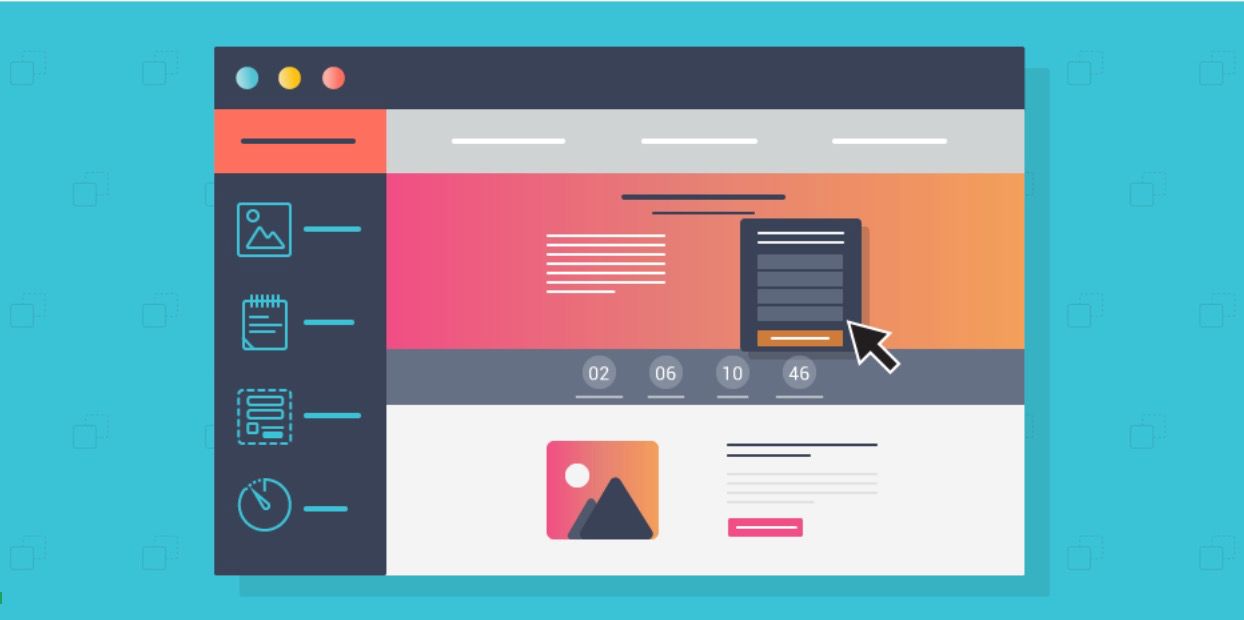
Elementor is a drag-and-drop page builder plugin for WordPress. It replaces the default WordPress block editor with a visual canvas where you drag widgets — buttons, image galleries, pricing tables, forms — onto a page and see changes in real time.
It does not replace WordPress hosting. You still need a host like Bluehost, SiteGround, or Hostinger to run your site. Elementor sits on top of WordPress, not instead of it.
There are two tiers:
- Elementor Free — available in the WordPress plugin directory, no cost.
- Elementor Pro — starts at $59/year for one website (as of 2024 [verify for current pricing]).
The free version gives you a solid visual editor with 40+ basic widgets. Pro unlocks 60+ additional widgets, a theme builder, popup builder, WooCommerce support, and form integrations with tools like Kit (formerly ConvertKit) and ActiveCampaign.
The Learning Curve: Honest Assessment
Beginners can build a decent page in Elementor Free within 2–3 hours. The interface is genuinely intuitive compared to raw HTML or even the WordPress block editor for layout work.
That said, a few areas trip up new users consistently:
- Responsive editing — you have to manually adjust the mobile and tablet views. What looks good on desktop often needs tweaking on mobile.
- Theme conflicts — Elementor works best with lightweight themes like Hello Elementor (free, made by the Elementor team) or Astra. Heavier themes can cause styling conflicts that are hard to debug as a beginner.
- Global settings — fonts and colors live in a separate “Global” panel. New users often set the same color five times on five different elements before discovering global styles.
None of these are dealbreakers. They’re just things to expect.
Elementor Free vs. Pro: What Do Beginners Actually Need?
Most beginners can build a blog homepage, an about page, and a contact page using the free version. Where Pro earns its price is when you need:
- A theme builder to customize your header, footer, and blog archive pages (Free cannot touch these).
- Custom popups for email opt-in forms tied to Kit or ActiveCampaign.
- Dynamic content for pulling in post data, author info, or custom fields.
- Form widget that connects directly to your email provider without a third-party plugin.
If you’re running a simple blog, free is likely enough for the first 6 months. If you’re building a landing page funnel, selling a course, or running a full membership site, Pro pays for itself quickly at $59/year.
How Elementor Compares to the Main Alternatives
| Tool | Starting Price | Best For | Free Plan/Trial | Standout Feature |
|---|---|---|---|---|
| Elementor Free | $0 | Bloggers who want visual editing on a budget | Yes — permanent free tier | Real-time drag-and-drop, 40+ widgets |
| Elementor Pro | $59/year (1 site) | Bloggers building landing pages or full sites | 30-day money-back guarantee | Theme builder, popup builder, form integrations |
| Thrive Architect | $99/year (Thrive Suite) | Conversion-focused bloggers and marketers | 30-day money-back | Built-in A/B testing, conversion elements |
| Thrive Suite | $299/year | All-in-one blog + email capture + course tools | 30-day money-back | Includes Thrive Architect, Leads, Quiz Builder, and more |
| Kadence Blocks (free) | $0 | Gutenberg users who want basic visual control | Yes — permanent free tier | Native Gutenberg integration, low page weight |
Note on Thrive Architect vs. Elementor Pro: Thrive Architect at $99/year (standalone) costs more than Elementor Pro’s base plan, but includes conversion-specific elements like countdown timers, lead generation forms with conditional logic, and built-in A/B testing that Elementor Pro doesn’t match at the same price. For pure design flexibility, Elementor Pro wins. For conversion-focused pages, Thrive Architect is worth the premium.
Performance: A Real Concern for Beginners
Elementor adds page weight. A page built with Elementor Free typically loads more JavaScript and CSS than a page built in the native Gutenberg editor. On a cheap shared host like Bluehost’s Basic plan ($2.95/month intro, renews at $11.99/month), that extra load time matters.
Practical ways beginners reduce Elementor’s performance hit:
- Use the Hello Elementor theme — it strips out unnecessary CSS.
- Enable Elementor’s built-in asset optimization (Settings → Performance tab in Pro).
- Pair with a caching plugin like WP Rocket or the free W3 Total Cache.
- Use a CDN — SiteGround’s GrowBig plan ($3.99/month intro) includes Cloudflare CDN built in.
Is this extra setup worth it for a beginner? For most: yes, once you follow a setup checklist. It takes about 20 minutes to configure and makes a measurable difference.
Is Elementor Worth It for Beginners? Three Scenarios
So is Elementor worth it for beginners? The answer varies depending on your starting point.
Scenario 1: New blogger, blog-only site, $0 budget
Use Elementor Free paired with the Hello Elementor or Astra theme. You get a visual editor, clean output, and zero cost. Upgrade to Pro when your traffic or monetization goals require landing pages and opt-in popups.
Scenario 2: Building a lead-gen blog or selling a digital product
Upgrade to Elementor Pro at $59/year from the start. The popup builder connected to Kit or GetResponse alone saves you from installing a separate opt-in plugin. The theme builder lets you design a custom blog archive and header — things the free version cannot touch.
Scenario 3: Conversion-focused from day one, $100+ budget
Consider Thrive Suite at $299/year instead. You get Thrive Architect plus a quiz builder, smart list manager, and membership plugin — tools that extend well beyond page building. This is a better fit if your business model depends on lead generation and course sales from launch.
What Beginners Consistently Get Right (And Wrong)
Common mistake: Installing Elementor Pro on top of an incompatible theme. Stick to Hello Elementor or Astra, and you sidestep 80% of the styling headaches beginners report on forums.
Common mistake: Using Elementor to build every single page, including blog posts. Blog posts should stay in the native editor for SEO and speed. Elementor is for static pages — homepage, landing pages, about pages.
What beginners get right: Using Elementor’s template library as a starting point. The free template library includes dozens of pre-built page designs. Import a template, swap in your content, and you have a professional-looking page in under 30 minutes — no design experience required.
Who Should Skip Elementor Entirely
Not every beginner needs Elementor at all. Skip it if:
- You’re publishing a text-focused blog with no custom landing pages. The native Gutenberg editor handles posts well enough.
- You’re on GoHighLevel or Kajabi — both include their own drag-and-drop builders, so adding Elementor to that stack is redundant.
- You’re building a non-WordPress site — Elementor is WordPress-only. Systeme.io, Kartra, and ClickFunnels 2.0 include funnel builders that work outside WordPress.
Frequently Asked Questions
Is Elementor Free good enough for a beginner blog?
For a basic blog with a custom homepage and static pages, yes. Elementor Free covers the core visual editing needs without any cost. You’ll hit its limits when you need custom headers and footers, popup opt-in forms, or WooCommerce integration — those require Pro.
How long does it take to learn Elementor?
Most beginners can build and publish their first page in 2–3 hours using a pre-made template. Mastering responsive editing, global styles, and the theme builder typically takes 1–2 weeks of regular use. Elementor’s official YouTube channel offers free tutorials that cut the learning time significantly.
Does Elementor slow down my WordPress site?
It can, but the impact is manageable. Using the Hello Elementor theme, enabling Elementor’s asset optimization in Pro, and adding a caching plugin typically brings load times to an acceptable range. The performance gap between Elementor and native Gutenberg is real but not a reason to avoid the tool — it just requires a basic performance setup.
What’s the difference between Elementor and Thrive Architect?
Elementor Pro is stronger for overall design flexibility and has a larger template library. Thrive Architect is built specifically around conversion elements — lead capture, A/B testing, countdown timers — and suits bloggers whose primary goal is growing an email list or selling a product. At similar price points, neither is objectively better; the right choice depends on whether design or conversion optimization matters more to your business.
Is Elementor worth it for beginners who aren’t technical?
Yes, for most non-technical users. The drag-and-drop interface removes the need for CSS knowledge in most cases. Where beginners do hit walls — theme conflicts, mobile responsiveness adjustments — the fixes are well-documented and don’t require coding. Starting with Hello Elementor theme reduces most non-technical friction significantly.
The bottom line: is Elementor worth it for beginners? For WordPress users who want design control without writing code, it’s one of the most practical tools available. Start with the free version, validate your need for Pro features, then upgrade when your site requires landing pages and email capture at scale.
Want more guides on setting up your blog the right way? Bookmark this site and check back as we add new reviews and walkthroughs.
0 Comments on "Is Elementor Worth It for Beginners?"
Related posts






Leave a Comment
You must be logged in to post a comment.