How to Grow an Email List from Zero

Learning how to grow an email list from zero takes the right tools, a compelling lead magnet, and consistent traffic strategy. This guide covers every step from signup form to first 1,000 subscribers.
Table of Contents
- Why an Email List Beats Every Other Channel
- Picking the Right Email Platform Before You Build
- Step-by-Step Guide: How to Grow an Email List from Zero
- How to grow an email list from zero: common mistakes to avoid
- Scaling Past 1,000 Subscribers
- Measuring What Matters
- Frequently Asked Questions
If you want to know how to grow an email list from zero, here is the short answer: choose an email platform, create one focused lead magnet, embed a signup form where your audience already spends time, and drive traffic consistently. Most bloggers see their first 100 subscribers within 30–60 days using this approach. The details below show you exactly how each piece fits together.
Photo: www.kaboompics.com (Pexels)
Why an Email List Beats Every Other Channel
Social media reach is borrowed. Algorithm changes cut organic visibility overnight — and have, repeatedly. An email list is an asset you own outright.
A subscriber who opts in voluntarily is also far more engaged than a passive follower. Open rates for small, targeted lists regularly run 30–45% [verify], compared to single-digit organic reach on most social platforms.
The economic case is simple too. Email marketing consistently returns among the highest ROI of any digital channel, largely because the marginal cost of sending one more email is near zero once your platform is paid for.
Picking the Right Email Platform Before You Build
Your platform choice shapes everything: automation capability, landing page options, and how subscribers are segmented. Here is a quick comparison of the most useful options for bloggers and online entrepreneurs starting from zero:
| Platform | Free tier | Starting paid price | Best for | Standout feature |
|---|---|---|---|---|
| Kit (ConvertKit) | Up to 10,000 subscribers | $25/mo (Creator) | Bloggers and content creators | Visual automation builder |
| Brevo | Unlimited contacts, 300 emails/day | $9/mo (Starter) | Budget-conscious beginners | SMS + email in one dashboard |
| GetResponse | Up to 500 contacts | $19/mo (Email Marketing) | Marketers who want funnels built in | Built-in landing page + webinar tools |
| AWeber | Up to 500 subscribers | $15/mo (Lite) | Beginners who want simplicity | Large template library |
| ActiveCampaign | 14-day trial, no free tier | $15/mo (Starter) | Intermediate users wanting deep automation | CRM + email in one system |
Our take: If you are truly starting from zero, Kit’s free plan is hard to argue with — 10,000 free subscribers gives you room to grow before you pay anything. Brevo is the better pick if you want to send high-volume broadcast emails cheaply. ActiveCampaign makes more sense once you have a sequence strategy mapped out, because the interface has a steeper learning curve.
Step-by-Step Guide: How to Grow an Email List from Zero
Step 1: Choose One Lead Magnet (Not Five)
A lead magnet is the specific thing you offer in exchange for an email address. The most common mistake is offering something too broad — a generic “newsletter” sign-up converts poorly compared to a targeted free resource.
High-converting lead magnet formats:
- PDF checklist or cheat sheet — fast to create, high perceived value. Example: “The 12-point checklist before publishing any blog post.”
- Short email course — 3–5 automated emails delivered over a week. Works well with Kit’s free automation sequences.
- Free template or spreadsheet — extremely shareable. A budget tracker, content calendar, or SEO audit template all perform well.
- Resource library or vault — bundle 3–5 small assets behind one opt-in. Takes more upfront work but has a higher conversion rate long-term.
Pick the format that matches what your audience needs right now. If your audience is beginner bloggers, a “first post launch checklist” outperforms a 40-page e-book every time.
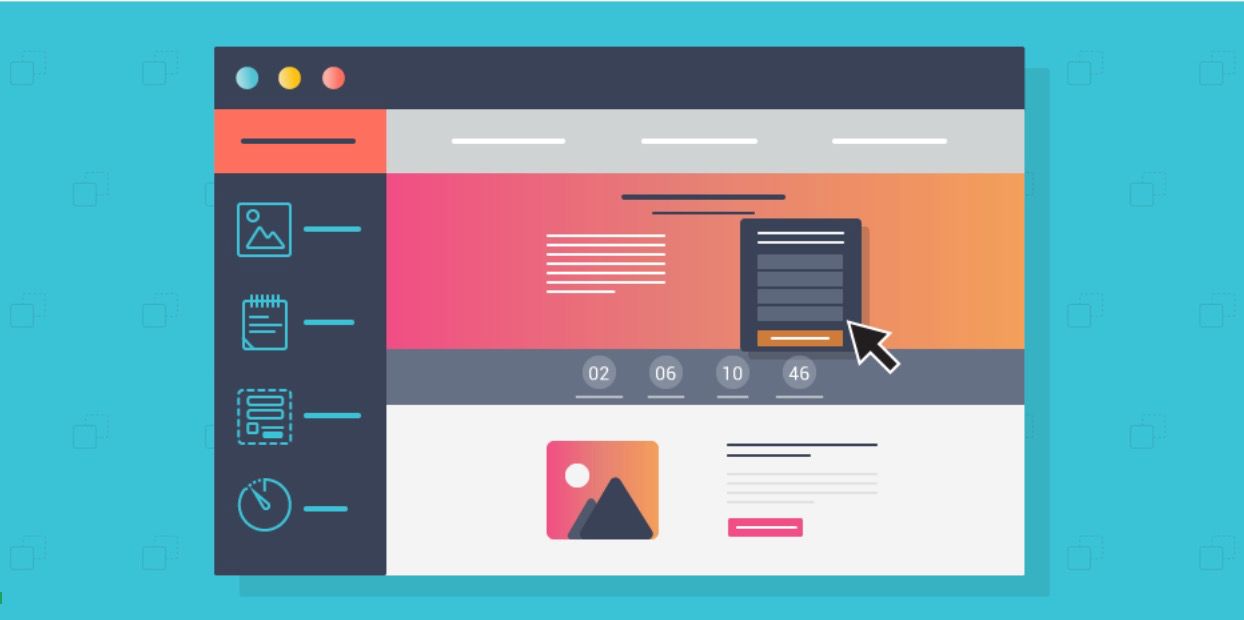
Step 2: Build a Dedicated Opt-In Landing Page
A standalone landing page outperforms an embedded sidebar form. It removes navigation distractions and focuses the visitor on one decision: subscribe or leave.
Most platforms handle this natively. GetResponse’s free plan includes a landing page builder. Kit lets you build simple landing pages on every plan tier, including free. If you run WordPress, Thrive Architect (part of Thrive Suite, starting at $299/year) lets you build high-converting opt-in pages with A/B testing built in. Elementor Pro ($59/year) does the same with more design flexibility.
A minimal landing page needs:
1. A headline that names the specific outcome (“Build your first 500-subscriber list in 60 days”)
2. Three bullet points explaining what the subscriber gets
3. A single form field (email only — name fields drop conversion rates [verify])
4. One clear button with action text (“Send me the checklist”)
Step 3: Place Opt-In Forms Where Traffic Already Flows
You do not need more traffic to grow your list. You need better placement of your forms within the traffic you already have.
The highest-converting placements for most content sites:
- Within the content body — mid-article embed after the reader has consumed enough value to trust you. This typically outperforms sidebar widgets by a wide margin.
- Exit-intent popup — triggers when a visitor moves their cursor toward the browser’s close button. Annoying if overused, but effective when the offer is relevant.
- After the final paragraph — readers who reach the end of an article are your most engaged visitors. That is the moment to make an ask.
- Homepage hero section — if your homepage gets meaningful traffic, a full-width opt-in above the fold captures visitors before they navigate away.
Thrive Suite’s Thrive Leads plugin lets you run all four placements with A/B tests across each one. Kit’s native forms embed cleanly inside WordPress posts with a plugin and no custom code.
Step 4: Drive Traffic to Your Forms Consistently
Forms convert only when people see them. Traffic is the multiplier.
Content SEO: Long-form articles targeting specific keywords bring consistent organic visitors month after month. A 1,500-word guide that ranks on page one for a low-competition keyword might send 200–500 visitors per month indefinitely. Use Semrush or Surfer SEO to identify keywords with search volume above 300/month and a keyword difficulty below 30 — that is a reasonable starting range for a new site.
Pinterest: Often underestimated for bloggers in niches like personal finance, food, DIY, and parenting. A single Idea Pin linking to a lead magnet landing page can drive hundreds of opt-ins in a week when it gains traction.
Guest posting: Writing a post for an established blog in your niche and linking your lead magnet in the author bio is one of the fastest ways to build a list in a targeted niche. One guest post on a blog with 50,000 monthly readers can deliver more qualified opt-ins than a month of solo content publishing.
Social profile link: Update the link in your Instagram bio, LinkedIn profile, and X (Twitter) bio to point directly to your opt-in landing page rather than your homepage.
Step 5: Write a Welcome Sequence That Retains New Subscribers
Getting a subscriber onto your list is only half the job. If your first email is a generic “thanks for subscribing,” many readers will forget who you are by the time your next broadcast arrives.
A basic welcome sequence for a new list:
- Email 1 (immediate): Deliver the lead magnet. Confirm what they signed up for. Set expectations for how often you’ll email.
- Email 2 (day 2): Share your single most useful piece of content — the post or resource that best demonstrates your expertise.
- Email 3 (day 4): Tell the reader what problem you help them solve and invite a reply question. Replies improve deliverability.
- Email 4 (day 7): Soft transition to your regular content schedule or an offer if you have one.
Kit’s free plan lets you build this exact four-email automation with no upgrade required. AWeber’s drag-and-drop campaign editor does the same on its Lite plan ($15/month).
How to grow an email list from zero: common mistakes to avoid
Growing a list is straightforward, but a few consistent errors slow most beginners down significantly.
Mistake 1 — Buying email lists. Purchased lists destroy your sender reputation. ESP providers like ActiveCampaign and Kit prohibit the practice outright. The subscribers were not acquired with consent, so spam complaints spike, and your domain ends up blacklisted.
Mistake 2 — Optimizing too early. Many beginners spend weeks tweaking button colors before their form has seen 500 visitors. A/B testing requires statistically meaningful traffic to produce reliable data. Run your original setup until you have at least 200–300 form views before testing variants.
Mistake 3 — One opt-in point. A single footer form on a 20-page site captures a fraction of the potential. Audit your top five traffic pages and add a content-specific opt-in to each one.
Mistake 4 — Emailing inconsistently. Sending five emails in a week and then disappearing for a month trains subscribers to ignore your messages. Pick a frequency — weekly or bi-weekly — and hold it.
Scaling Past 1,000 Subscribers
Once your first 500–1,000 subscribers are on the list and you have baseline open rates above 30%, the growth mechanisms shift.
Referral programs: Kit has a built-in “Recommend” feature that lets subscribers refer friends in exchange for bonus content. A subscriber who refers others is essentially free traffic with no ad spend required.
Content upgrades: A content upgrade is a lead magnet specific to one article. Instead of a generic checklist for every post, a post about writing blog headlines offers a free swipe file of 50 proven headline templates. Conversion rates on content upgrades routinely run 3–5x higher than generic lead magnets [verify].
Webinars and live events: GetResponse includes a webinar tool starting at its paid tiers. A live training session — even 30 minutes — converts attendees to subscribers at high rates, especially when promoted to a warm social audience.
Paid advertising: Once you know your opt-in page converts (aim for at least 25–30% conversion rate before spending money on ads), Facebook and Pinterest ads can drive cost-effective subscriber growth. A list-building campaign to a lead magnet page typically costs $1–$4 per subscriber depending on niche [verify].
Measuring What Matters
Tracking the right numbers prevents wasted effort. These are the metrics worth monitoring:
- Opt-in conversion rate — form views ÷ new subscribers. Below 1% suggests the offer or placement needs revision.
- Confirmed opt-in rate — if you use double opt-in, the percentage who confirm. Below 60% suggests your confirmation email is going to spam.
- Welcome sequence open rate — Email 1 should open above 60%. If it doesn’t, your subject line or sender name has a recognition problem.
- List churn (unsubscribes + spam complaints per broadcast) — unsubscribe rates above 0.5% per send are a signal that your content relevance or frequency needs adjustment.
Semrush’s traffic analytics can pair with your email data to understand which content drives the most opt-ins. Connecting that insight to your editorial calendar is how you build a systematic growth loop rather than a guessing game.
Frequently Asked Questions
How long does it take to grow an email list from zero to 1,000 subscribers?
Most bloggers reach 1,000 subscribers in three to six months with consistent content publishing and at least one active opt-in offer. The timeline shortens significantly if you add a guest post strategy or run one paid traffic campaign to a high-converting landing page. Pure organic SEO typically takes longer — six to twelve months before search traffic is meaningful enough to fuel list growth on its own.
Do I need a website to start building an email list?
No. Kit, GetResponse, and Brevo all let you create a standalone landing page hosted on their subdomain, so you can collect subscribers before your site is ready. The tradeoff is that you miss out on organic search traffic from blog content. A hosted landing page is fine for the first 100–200 subscribers; after that, migrating to your own domain is worth the effort.
What is the best free email marketing tool for beginners?
Kit’s free plan supports up to 10,000 subscribers and includes basic automation sequences and landing pages. Brevo’s free tier allows unlimited contacts but caps daily sends at 300 emails. For pure list building without heavy automation needs, Kit is the stronger starting point. For high-volume broadcasting on a tight budget, Brevo’s free tier stretches further.
How often should I email my list when starting out?
Once per week is the standard recommendation for new lists. It keeps your name in front of subscribers without overwhelming them. Dropping below bi-weekly means many subscribers forget who you are before your next email arrives, which drives up spam complaints. As you build trust and see engagement data, you can test higher frequency with a segment of your most active readers.
What is a double opt-in, and should I use it?
Double opt-in requires a new subscriber to confirm their email address by clicking a link in a confirmation email. It reduces your raw subscriber count but improves list quality — confirmed subscribers are less likely to mark your emails as spam and more likely to engage. For niches where deliverability is critical (anything with promotional content or affiliate offers), double opt-in is strongly recommended.
Learning how to grow an email list from zero comes down to three durable habits: maintain a relevant lead magnet, place opt-in forms where your audience already reads, and send consistently enough that subscribers remember why they signed up. The tools are secondary — any of the platforms in the table above will handle the technical side competently. The difference between a 200-subscriber list and a 5,000-subscriber list is almost always consistency of execution, not platform features.
Want more practical guides on email strategy, content funnels, and list monetization? Bookmark this site and check back regularly — new guides publish every week.
External reference: Backlinko — Email Marketing Stats for current benchmarks on open rates, click rates, and list growth by industry.
0 Comments on "How to Grow an Email List from Zero"
Related posts




Leave a Comment
You must be logged in to post a comment.