Best Sales Funnel Software for Small Businesses in 2026

Finding the best sales funnel software for small businesses in 2026 means matching features to your budget and workflow — not just picking the most popular name. This guide compares six platforms side by side so you can make a clear call.
Table of Contents
- What Makes a Funnel Builder Worth Paying For?
- The Six Platforms Worth Comparing
- ClickFunnels 2.0 — Best for Scaling Proven Offers
- Systeme.io — Best Free Option for New Entrepreneurs
- Kartra — Best for Automation-Heavy Service Businesses
- GoHighLevel — Best for Agencies and Multi-Client Operations
- Kajabi — Best for Course Creators and Community Builders
- GetResponse — Best for Email-First Marketers Expanding Into Funnels
- Best Sales Funnel Software for Small Businesses in 2026: Who Should Pick What
- Key Features to Verify Before You Commit
- Frequently Asked Questions
“`
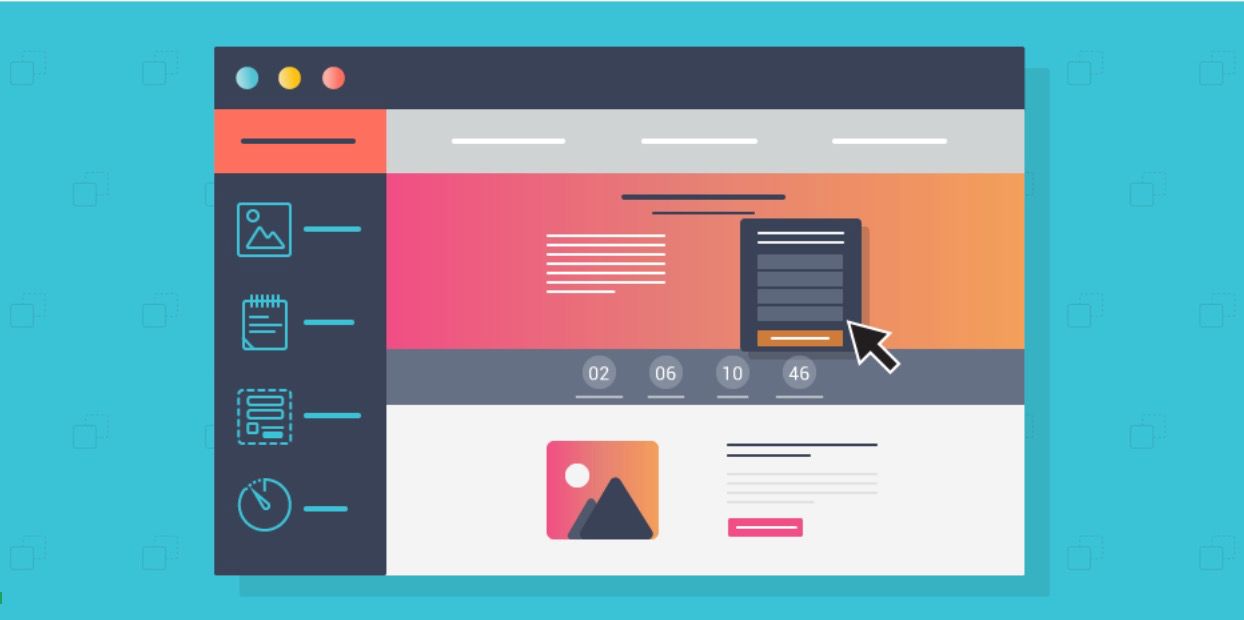
Photo: Ono Kosuki (Pexels)
The best sales funnel software for small businesses in 2026 depends on your budget, technical comfort level, and what you’re actually selling. This guide compares six leading platforms — including pricing, standout features, and real limitations — so you can stop guessing and start building.
What Makes a Funnel Builder Worth Paying For?
A funnel builder isn’t just a page builder with a fancy name. The tools on this list handle at least three of these functions natively:
- Landing pages — squeeze pages, sales pages, webinar registrations
- Order forms and checkout — including upsells, downsells, and order bumps
- Email automation — follow-up sequences triggered by buyer behavior
- Membership or course delivery — for digital product sellers
- Analytics — conversion rates per step, not just total traffic
The best sales funnel software for small businesses in 2026 won’t require you to stitch together five separate tools just to run a basic lead-generation campaign.
The Six Platforms Worth Comparing
Here’s a quick overview before we go deep on each one:
| Platform | Starting Price | Best For | Free Plan / Trial | Standout Feature |
|---|---|---|---|---|
| ClickFunnels 2.0 | $97/mo | Established businesses scaling offers | 14-day free trial | Visual funnel flow editor + CRM |
| Systeme.io | Free (paid from $27/mo) | Beginners and budget-conscious operators | Free plan (forever) | All-in-one at the lowest price point |
| Kartra | $119/mo | Service businesses needing deep automation | 14-day trial ($1) | Behavior-based tagging + helpdesk |
| GoHighLevel | $97/mo | Agencies managing multiple client accounts | 14-day free trial | White-label and sub-account system |
| Kajabi | $69/mo (Basic, billed annually) | Course creators and community builders | 14-day free trial | Native course + community + funnels |
| GetResponse | Free (paid from $19/mo) | Email-first marketers adding funnel pages | Free plan (500 contacts) | Conversion funnels built into email tool |
ClickFunnels 2.0 — Best for Scaling Proven Offers
ClickFunnels 2.0 is the most recognized name in funnel software, and the 2.0 rebuild genuinely improved on the original. The visual “funnel flow” editor lets you map every step — opt-in page, sales page, upsell, confirmation — as a connected diagram rather than isolated pages.
The Basic plan ($97/mo) includes one website, 20 funnels, and a built-in CRM. The Pro plan ($297/mo) unlocks unlimited funnels and affiliates through the native Backpack system.
Where ClickFunnels earns its price: The checkout experience. Order bumps, one-click upsells, and split-testing are polished and battle-tested. For a business already generating revenue and wanting to increase average order value, that plumbing works well out of the box.
The honest limitation: At $97/mo minimum, it’s expensive for someone still validating an idea. The learning curve is also real — budget 5–10 hours before your first funnel goes live if you’re new to the platform.
Our take: ClickFunnels 2.0 makes sense when you have a proven offer and traffic to send through it. It’s overkill at the idea stage.
Systeme.io — Best Free Option for New Entrepreneurs
Systeme.io offers a permanently free plan that covers up to 2,000 contacts, 3 funnels, 1 membership site, and unlimited emails. That’s a real business tool, not a crippled demo.
The Startup plan ($27/mo) lifts limits to 5,000 contacts and 10 funnels. The Unlimited plan ($97/mo) removes all caps entirely.
Finding the best sales funnel software for small businesses in 2026 often starts with cost control. Systeme.io wins that category decisively. A solopreneur selling a single digital product can run their entire operation — landing pages, email sequences, checkout, and course delivery — without spending a dollar in month one.
Where it earns the recommendation: Speed. The interface is intentionally simple. Most users publish their first funnel within an hour of signing up. The email automation uses a visual sequence builder similar to ActiveCampaign’s, minus the complexity.
The honest limitation: Design flexibility is more limited than ClickFunnels or Kartra. Template variety is narrower. If brand aesthetics matter to your customers, you’ll feel the constraint.
Our take: The strongest starting point for anyone bootstrapping their first funnel under $50/month.
Kartra — Best for Automation-Heavy Service Businesses
Kartra positions itself as a marketing platform, not just a funnel builder. The behavior-based automation — called Kartra Automations — lets you trigger actions based on granular conditions: page visited, video watched to X%, tag applied, purchase made, email opened.
The Starter plan costs $119/mo (billed monthly) or $99/mo annually, covering up to 2,500 contacts and 15,000 emails per month. Kartra’s $1 trial (14 days) lets you test the full platform before committing.
The built-in helpdesk feature (Kartra Helpdesk) stands out for service businesses. Clients can submit tickets, and your responses are logged inside the same system tracking their purchase history and email behavior. That consolidation matters when your team is small.
Where it earns the recommendation: Multi-step campaigns with conditional logic. A health coach could build a sequence that sends one email series to people who watched a webinar and a different series to those who didn’t — with zero third-party integrations.
The honest limitation: The page editor feels dated compared to dedicated page builders like Elementor Pro. Design-focused users often find Kartra’s templates functional but not inspiring.
Our take: Kartra is a strong fit for service businesses — consultants, coaches, agencies — where follow-up logic matters more than visual polish.
GoHighLevel — Best for Agencies and Multi-Client Operations
GoHighLevel (GHL) is built around one core idea: an agency should be able to manage every client’s funnels, emails, SMS, CRM, and reputation management from one dashboard. The sub-account system lets you spin up a separate workspace per client under your single GHL subscription.
The Starter plan is $97/mo and covers one account. The Agency Unlimited plan ($297/mo) adds unlimited sub-accounts and white-labeling — meaning you can rebrand the entire platform and resell it to clients as your own SaaS product.
Where it earns the recommendation: The white-label SaaS model is genuinely unique among these platforms. Agencies that charge clients a monthly software fee can build a recurring revenue stream on top of their service revenue.
The honest limitation: GoHighLevel is not designed for individual solopreneurs. The interface is complex, and much of the feature set only makes sense at the agency level. A single-person e-commerce store would find Systeme.io or ClickFunnels a better fit.
Our take: GoHighLevel belongs on the shortlist only if you’re running — or planning to run — a marketing agency with multiple client accounts.
Kajabi — Best for Course Creators and Community Builders
Kajabi bundles funnels, courses, communities, podcasts, and email marketing under one roof. The Basic plan starts at $69/mo (billed annually) and includes 3 products, 3 funnels, and 1 community.
The “Pipelines” feature in Kajabi is Kajabi’s term for funnels. Pre-built pipeline blueprints cover the most common flows: product launch, lead magnet, free course opt-in, webinar registration. You choose a blueprint, customize the copy, and the pages plus email sequence are scaffolded automatically.
So when evaluating the best sales funnel software for small businesses in 2026, Kajabi earns its spot if your business model centers on selling knowledge — courses, workshops, memberships, or coaching programs.
Where it earns the recommendation: Native course delivery is excellent. Video hosting, drip content schedules, student progress tracking, and a mobile app for students are all included. No third-party course platform needed.
The honest limitation: Kajabi is expensive for what you get if you’re not selling courses or communities. A pure e-commerce or lead-gen operator would pay more and use less than half the features.
Our take: The clearest choice for anyone whose primary product is educational content. For physical products or pure lead generation, look elsewhere.
GetResponse — Best for Email-First Marketers Expanding Into Funnels
GetResponse started as an email marketing platform and added “Conversion Funnels” (formerly Autofunnel) as a native feature. The result is a lighter funnel tool with exceptional email infrastructure underneath.
The free plan covers up to 500 contacts with basic email tools. The Email Marketing plan ($19/mo for 1,000 contacts) includes the conversion funnel builder, landing pages, and a basic autoresponder. The Marketing Automation plan ($59/mo) adds visual workflow automation and webinar hosting.
The funnel builder inside GetResponse handles lead magnet delivery, product sales pages, and Facebook ad integration. It’s not as feature-rich as ClickFunnels, but for a blogger or affiliate marketer who primarily needs to grow an email list and occasionally sell a product, it covers the workflow without paying for a dedicated funnel platform separately.
Where it earns the recommendation: If email marketing is your primary channel and you want funnel pages without switching tools, GetResponse eliminates the integration overhead. Your opt-in page, thank-you page, email sequence, and list segmentation all live in one place.
The honest limitation: The funnel builder itself is basic. Complex checkout flows, one-click upsells, or order bumps require either a workaround or a different platform.
Our take: Best suited to bloggers, content marketers, and affiliate marketers who want email-first workflows with basic funnel capability built in.
Best Sales Funnel Software for Small Businesses in 2026: Who Should Pick What
The comparison table above covers the numbers. Here’s the practical breakdown:
| Your Situation | Recommended Platform |
|---|---|
| Brand new, limited budget, first funnel | Systeme.io (free plan) |
| Established business, scaling a proven offer | ClickFunnels 2.0 |
| Service business needing complex automation | Kartra |
| Marketing agency managing client accounts | GoHighLevel |
| Course creator or community builder | Kajabi |
| Blogger / affiliate marketer, email-first | GetResponse |
A common mistake is choosing a platform based on its brand recognition rather than your current stage. Spending $97/mo on ClickFunnels before you have a validated offer and consistent traffic is a cost problem, not a funnel problem.
Key Features to Verify Before You Commit
Every platform offers a trial or free plan. Before that trial expires, check these specifically:
- Checkout and payment processing — Does it connect natively to Stripe? Is there a transaction fee on top of Stripe’s fee? (Kajabi and ClickFunnels charge none; some platforms add 0.5–2%.)
- Email deliverability — Run a quick test with Mail-Tester.com to check your sender reputation on their shared infrastructure.
- Page load speed — Use Google PageSpeed Insights on a live funnel page. Slow pages kill conversion rates before your copy even gets read.
- Support responsiveness — Submit a non-urgent support ticket on day 2 of your trial and time the response. This predicts your experience when something breaks at launch.
Frequently Asked Questions
What’s the cheapest way to start with funnel software in 2026?
Systeme.io’s free plan is the lowest-cost legitimate starting point. It covers 2,000 contacts, 3 funnels, and unlimited emails at $0/month. GetResponse also offers a free plan for up to 500 contacts with basic landing pages. Neither is free forever in terms of feature ceilings, but both let you build and test a real funnel before spending anything.
Can I replace my email marketing tool with a funnel builder?
In most cases, yes — if you choose an all-in-one platform. Systeme.io, Kartra, Kajabi, GoHighLevel, and ClickFunnels 2.0 all include native email marketing with automation. If you’re already invested in a dedicated tool like ActiveCampaign or Kit, check whether the funnel builder integrates via native connection or requires Zapier, since that adds cost and complexity.
How long does it take to build a working sales funnel?
A simple two-page funnel — opt-in page plus thank-you page with an email sequence — takes most people 3–6 hours to build the first time. A full product launch funnel with sales page, order form, upsell, and downsell typically takes 10–20 hours including copywriting. The platform itself rarely causes delays; the bottleneck is almost always writing the copy.
Do I need coding skills to use any of these tools?
No. All six platforms use drag-and-drop editors. Basic HTML/CSS knowledge helps when you want precise design control, but it’s not required to launch a functional funnel on any of them. GoHighLevel has the steepest general learning curve, but that’s due to feature volume, not technical requirements.
Is a dedicated funnel builder better than building funnels in WordPress?
It depends on what “better” means for your situation. WordPress with Elementor Pro and WooCommerce can replicate most funnel functionality — and costs less long-term if you’re hosting with a plan like SiteGround’s GrowBig ($3.99/mo introductory). But that setup requires more configuration, plugin management, and troubleshooting. Dedicated funnel builders trade flexibility and ownership for speed and simplicity. Neither is universally superior.
The best sales funnel software for small businesses in 2026 is the one that matches your current stage, not the one with the most YouTube tutorials. Start with a free trial, build one complete funnel, and measure what actually converts before upgrading or switching.
Want more guides like this? Bookmark Two Funnels Away and check back as we expand our tool comparisons with real workflow walkthroughs.
For current pricing, always verify directly on each platform’s official pricing page — rates change, and promotional discounts come and go.
0 Comments on "Best Sales Funnel Software for Small Businesses in 2026"
Related posts




Leave a Comment
You must be logged in to post a comment.