Best Email Marketing Software for Bloggers in 2026
Choosing the right email marketing tool can make or break your list-building strategy. This guide breaks down the best email marketing software for bloggers in 2026 by budget, skill level, and use case.
Table of Contents
- Why Email Still Matters More Than Social
- What to Look for Before You Pick a Platform
- Best Email Marketing Software for Bloggers in 2026: The Full Breakdown
- Side-by-Side Comparison
- Who Should Pick Which Tool
- Frequently Asked Questions
The best email marketing software for bloggers in 2026 depends on three things: your list size, your automation needs, and how much you’re willing to spend before your blog earns a dollar. This guide covers five tools — Kit, ActiveCampaign, GetResponse, AWeber, and Brevo — with honest pros, cons, and a clear “who should pick which” verdict.
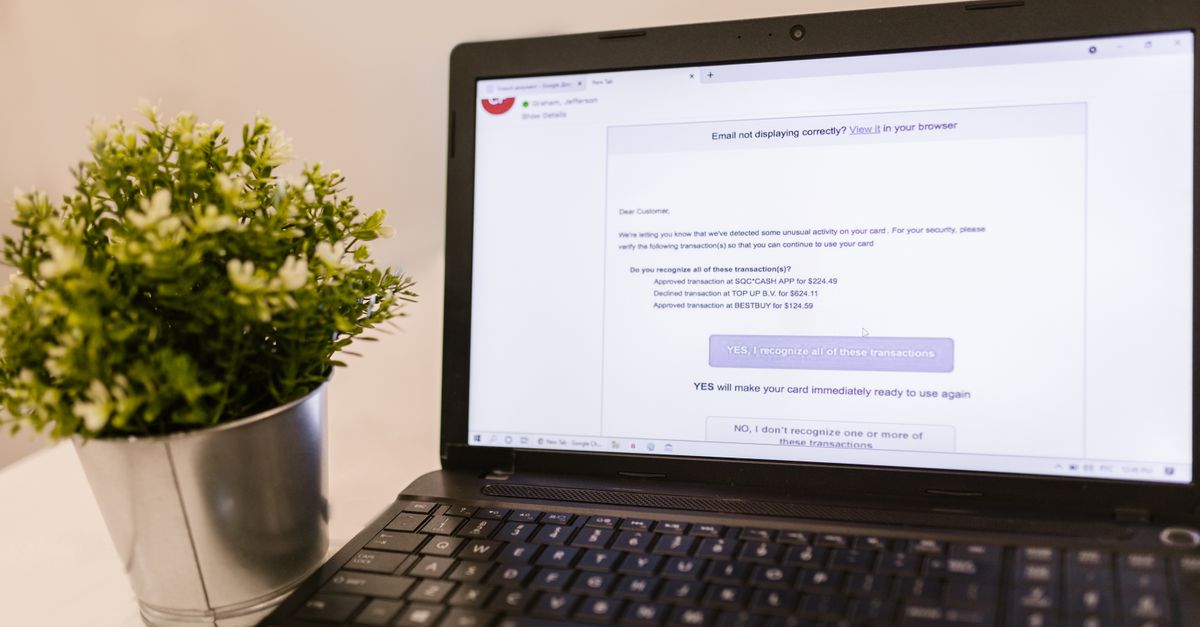
Photo: RDNE Stock project (Pexels)
Why Email Still Matters More Than Social
Algorithms change. Platforms throttle organic reach. Your email list is the one audience channel you actually own.
A blogger with 2,000 engaged subscribers can reliably generate affiliate revenue, sell a course, or fill a coaching call. The same blogger with 20,000 Instagram followers often can’t. That gap drives the demand for the best email marketing software for bloggers in 2026.
The tools you pick will determine:
- How easy it is to build a landing page or embed a signup form
- Whether you can segment readers by interest (reviews vs. tutorials vs. deals)
- What level of automation is possible without a developer
- What you’ll pay as your list scales past 1,000, 5,000, and 10,000 subscribers
What to Look for Before You Pick a Platform
Deliverability first
A newsletter that lands in spam is worthless. All five tools on this list have solid deliverability records. Still, AWeber and ActiveCampaign consistently rank at the top of third-party deliverability audits [verify].
Automation depth vs. simplicity
Kit built its entire product around simplicity for creators. ActiveCampaign built its product around power. Both are legitimate choices — just for very different bloggers.
Pricing model matters at scale
Most platforms charge by subscriber count. Brevo charges by email volume instead, which can save money if you have a large list you email infrequently (say, 10,000 subscribers, two emails per month).
Native integrations
Check that the tool connects to your blog stack. If you run WordPress with Elementor Pro, all five tools integrate through native plugins or Zapier. If you sell a course on Teachable or Thinkific, ActiveCampaign and Kit offer the tightest direct integrations.
Best Email Marketing Software for Bloggers in 2026: The Full Breakdown
1. Kit (Formerly ConvertKit) — Best for Creator-Focused Bloggers
Kit was built specifically for bloggers, podcasters, and course creators. That focus shows in every feature decision.
Standout features:
– Visual automation builder with “if/then” logic
– Commerce tools to sell digital products directly (no separate cart needed)
– Subscriber tagging instead of traditional list segmentation
– Landing page builder with clean templates
Pricing: Free plan up to 10,000 subscribers (with limited features — no automations, no sequences). The Creator plan starts at $25/month for up to 1,000 subscribers and unlocks automations and sequences. Creator Pro adds Facebook Custom Audiences integration and priority support at $50/month for 1,000 subscribers.
Where Kit earns its reputation: The tagging system lets you track reader behavior granularly. Tag someone who clicked your “affiliate marketing” link but not your “beginner blogging” link. Then send them a targeted sequence. That’s genuinely useful for a multi-topic blog.
Limitations: The email template library is minimal by design. Kit wants you to send plain-text emails that feel personal. If you need branded newsletter layouts with heavy visual design, Kit will frustrate you.
Our take: Kit is the standard recommendation for bloggers who plan to sell digital products or want behavioral segmentation without learning a complex CRM.
2. ActiveCampaign — Best for Bloggers Who Need Advanced Automation
ActiveCampaign is a full CRM and email marketing platform. Most bloggers use maybe 30% of its capabilities — but that 30% is genuinely powerful.
Standout features:
– Automation map that visualizes complex multi-branch sequences
– Lead scoring to identify your most engaged readers
– Split testing on automation paths (not just subject lines)
– Deep integrations with Kajabi, Teachable, Shopify, WooCommerce, and 900+ other tools
Pricing: The Starter plan begins at $15/month for 1,000 contacts (billed annually). The Plus plan — which unlocks CRM, landing pages, and advanced segmentation — starts at $49/month for 1,000 contacts. Pricing scales steeply at higher subscriber counts.
Where ActiveCampaign earns its reputation: The conditional content feature lets you show different content blocks to different segments inside a single email. One email, two versions — no duplicate sends.
Limitations: The learning curve is real. Budget a few hours to understand how lists, tags, and custom fields interact. The interface is functional but not beautiful.
Our take: ActiveCampaign is the right pick if you run a blog as part of a broader online business — selling courses, running a membership, or managing client leads alongside your editorial content.
3. GetResponse — Best for Bloggers Who Want an All-in-One Setup
GetResponse has expanded well beyond email. It now includes a website builder, webinar hosting, and a basic course platform — all inside one subscription.
Standout features:
– Conversion funnels (basic funnel builder included in paid plans)
– Webinar hosting for up to 1,000 attendees on higher tiers
– AI email generator and subject line tools
– 24/7 live chat support on all paid plans
Pricing: The Email Marketing plan starts at $19/month for 1,000 contacts. Marketing Automation (which unlocks behavior-based automation) starts at $59/month. There is a free plan limited to 500 contacts and basic newsletters.
Where GetResponse earns its reputation: For a blogger who wants to run a webinar as a list-building strategy, GetResponse is the only tool on this list that bundles webinar software at a reasonable price. Standalone webinar tools like Demio typically run $49–$99/month on top of your email costs.
Limitations: The interface has improved but still feels slightly dated compared to Kit or ActiveCampaign. The course builder is basic — not a replacement for Teachable or Thinkific if you plan to sell a structured course.
Our take: GetResponse makes the most sense for bloggers who want one bill covering email, a basic funnel, and webinar functionality. It reduces the number of subscriptions to manage.
4. AWeber — Best for Bloggers Who Want Simplicity and Reliability
AWeber has been in the market since 1998. That longevity earns it something most newer tools can’t claim: a rock-solid reputation for deliverability and straightforward operation.
Standout features:
– AMP for Email support (interactive email elements without a click-through)
– 700+ email templates — the largest library on this list
– Smart Designer that auto-generates branded templates from your blog’s URL
– Free migration support from other platforms
Pricing: The Free plan covers up to 500 subscribers with unlimited emails and most core features — genuinely the most generous free tier for entry-level users on this list. The Lite plan starts at $15/month for up to 500 subscribers. Plus runs $30/month and removes AWeber branding and adds advanced split testing.
Where AWeber earns its reputation: New bloggers setting up their first newsletter workflow rarely need complex automation. AWeber’s drag-and-drop builder, large template library, and consistent deliverability let beginners launch a professional-looking newsletter in an afternoon.
Limitations: Automation is functional but not as flexible as Kit’s tagging system or ActiveCampaign’s branching logic. AWeber charges for unsubscribed contacts on some plans — worth reading the fine print before your list grows large.
Our take: AWeber is the first choice for bloggers who want a reliable, low-friction email tool and don’t need sophisticated behavioral automation on day one.
5. Brevo (Formerly Sendinblue) — Best for Bloggers on a Tight Budget with Large Lists
Brevo’s pricing model is fundamentally different from the rest of this list. You pay for emails sent, not subscribers stored. That single difference changes the math significantly for certain bloggers.
Standout features:
– Unlimited contacts on all plans (including free)
– SMS and WhatsApp marketing included alongside email
– Transactional email support (useful if your blog has a store or membership)
– Sales CRM included in paid plans
Pricing: The Free plan includes unlimited contacts and 300 emails per day (~9,000/month). The Starter plan is $25/month for 20,000 emails/month. Business starts at $65/month and adds marketing automation, A/B testing, and multi-user access.
Where Brevo earns its reputation: A blogger with 15,000 subscribers who sends two emails per month (30,000 emails total) would pay significantly less with Brevo than with a subscriber-based platform. At that volume, Kit’s Creator plan would run $166/month; Brevo’s Starter plan would run $35–$45/month.
Limitations: Automation on the free and Starter plans is limited to one workflow. The email template editor, while functional, lags behind AWeber and GetResponse in template variety. Brevo’s deliverability is strong but not as consistently top-ranked as AWeber or ActiveCampaign.
Our take: Brevo is the practical choice for bloggers managing large, low-frequency lists — think roundup newsletters, monthly digests, or seasonal content pushes — where the subscriber-count pricing model would otherwise become expensive.
Side-by-Side Comparison
| Tool | Starting Price | Free Plan / Trial | Best For | Standout Feature |
|---|---|---|---|---|
| Kit (ConvertKit) | $25/mo (1K subs) | Free up to 10K subs (limited) | Creator-focused bloggers selling products | Tag-based behavioral segmentation |
| ActiveCampaign | $15/mo (1K contacts) | 14-day free trial | Bloggers running a full online business | Multi-branch automation + lead scoring |
| GetResponse | $19/mo (1K contacts) | Free plan (500 contacts) | Bloggers who want email + webinars in one | Built-in webinar hosting |
| AWeber | $15/mo (500 subs) | Free up to 500 subs | Beginners who want reliability | 700+ templates + Smart Designer |
| Brevo | $25/mo (20K emails) | Free (300 emails/day, unlimited contacts) | Large lists with infrequent sends | Volume-based pricing model |
Who Should Pick Which Tool
Pick Kit if: You’re a blogger who monetizes through digital products, affiliate links, or a course — and you want to send sequences triggered by specific reader behaviors. The free plan (up to 10,000 subscribers) is a legitimate starting point.
Pick ActiveCampaign if: Your blog is one piece of a broader business model — coaching, agency services, a membership site — and you need CRM-level contact management alongside your newsletter.
Pick GetResponse if: You run webinars as part of your content strategy, or you want email + funnel + landing page tools under one subscription rather than three separate tools.
Pick AWeber if: You’re launching your first email list and want a simple, reliable tool with strong deliverability, generous templates, and a free plan that doesn’t cut off at 500 subscribers.
Pick Brevo if: You have a large subscriber count but send emails infrequently (once or twice a month), and subscriber-based pricing at other platforms is pushing your monthly cost higher than makes sense.
Frequently Asked Questions
What’s the best free email marketing tool for bloggers just starting out?
Kit’s free plan covers up to 10,000 subscribers — far more generous than most competitors — but disables automations and sequences. AWeber’s free plan includes most core features up to 500 subscribers, including access to its template library. For pure volume of contacts with zero cost, Brevo’s free tier (unlimited contacts, 300 emails/day) is the most flexible option.
How much should a blogger budget for email marketing?
A reasonable starting budget is $0–$25/month. Most bloggers stay on a free plan until they hit their platform’s contact limit, then move to a $15–$25/month entry tier. Budget more only if you need automation depth (ActiveCampaign’s Plus at $49/month) or webinar features (GetResponse’s Marketing Automation at $59/month).
What’s the difference between tags and lists in email marketing?
Lists group contacts into separate buckets — subscribers are typically on one list. Tags are labels applied to individual contacts regardless of list membership. Kit and ActiveCampaign use tag-based systems, which allow more granular segmentation. AWeber and GetResponse use traditional list-based structures, though both now support tags as well.
Do I need a separate landing page tool to grow my email list?
Not necessarily. Kit, GetResponse, and AWeber all include basic landing page builders. GetResponse’s is the most capable among the three. If you run WordPress, tools like Elementor Pro or Thrive Architect offer more design control and integrate with all five email platforms via API or plugin.
Is email marketing still worth building in 2026?
Yes — open rates for niche newsletters consistently outperform social media engagement rates [verify], and email remains a direct, algorithm-free channel between you and your readers. The upfront work of building a list compounds over time in a way that social follower counts typically don’t.
Finding the best email marketing software for bloggers in 2026 isn’t about chasing the tool with the longest feature list. It’s about matching the platform’s strengths to where your blog actually is right now — your list size, your monetization model, and your technical comfort level.
Start with the free plan of whichever tool fits your situation above. Move to a paid tier only when the free limits genuinely hold you back.
Want more guides like this? Bookmark the site and check back — we regularly update our tool coverage as pricing and features change.
0 Comments on "Best Email Marketing Software for Bloggers in 2026"
Related posts




Leave a Comment
You must be logged in to post a comment.