Best Course Hosting Tools for Affiliate Marketers in 2026

Choosing the right platform matters as much as the course itself. This guide breaks down the best course hosting tools for affiliate marketers in 2026, with pricing, features, and a clear recommendation matrix.
Table of Contents
- Why Course Hosting Is Different for Affiliate Marketers
- The Best Course Hosting Tools for Affiliate Marketers in 2026: Platform-by-Platform Breakdown
- Comparison Table: Best Course Hosting Tools for Affiliate Marketers in 2026
- Key Features to Evaluate Before You Choose
- Who Should Pick Which Platform
- How Email Marketing Amplifies Your Course Funnel
- Frequently Asked Questions
The best course hosting tools for affiliate marketers in 2026 are Teachable, Kajabi, Thinkific, Podia, and Kartra — each built for a different budget and business model. The right pick depends on how you plan to monetize: through your own courses, affiliate commissions on other people’s products, or both at the same time.
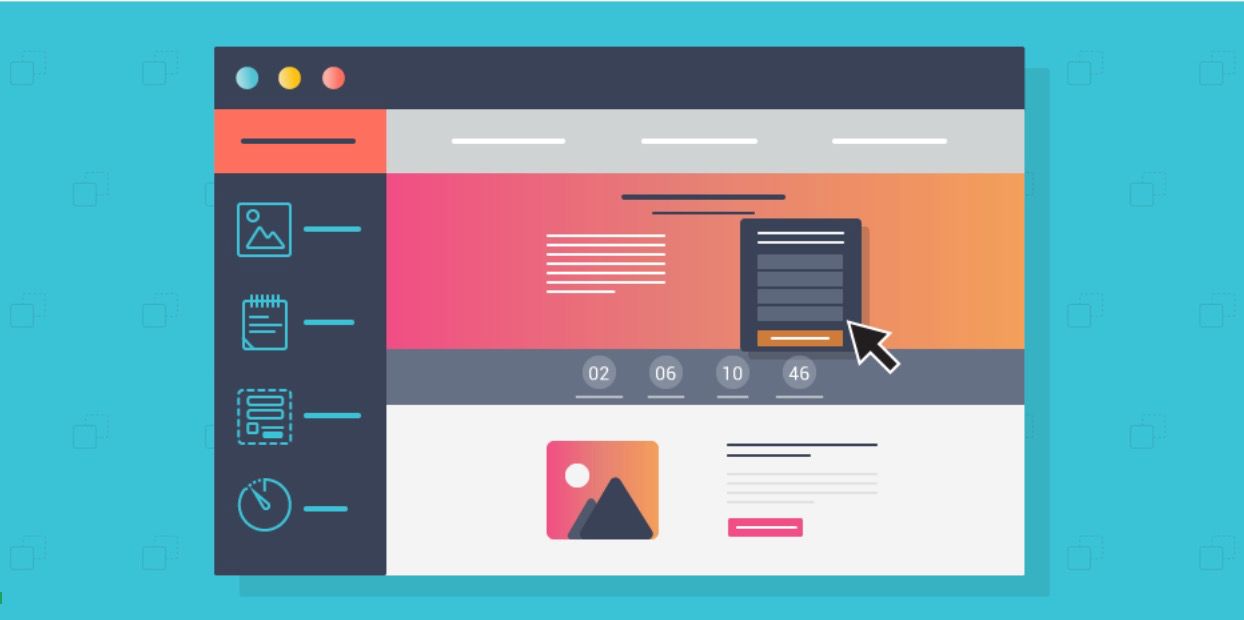
Photo: Katerina Holmes (Pexels)
This guide cuts through the feature lists and tells you which platform fits which situation.
Why Course Hosting Is Different for Affiliate Marketers
Most course platform reviews are written for pure educators. Affiliate marketers have a different set of priorities.
You may be selling your own course and recommending tools inside it. Or you might build a free or low-cost course purely as a lead magnet to push affiliate offers via email follow-up. Some affiliate marketers skip selling courses at all and just need a platform to host a free training that captures leads.
Each of these use cases demands different features — built-in affiliate program management, email integration depth, checkout flexibility, and the ability to include outbound affiliate links without restrictions.
Keep those angles in mind as you read each review below.
The Best Course Hosting Tools for Affiliate Marketers in 2026: Platform-by-Platform Breakdown
Here’s a detailed look at the five platforms that make the most sense for affiliate-focused business models.
Teachable
Starting price: $39/month (Basic plan, billed monthly); $29/month billed annually.
Teachable is one of the most widely used course platforms among beginner-to-intermediate creators. Its strength is simplicity — you can build and publish a course in an afternoon without touching code.
For affiliate marketers, the key feature is Teachable’s built-in affiliate center. On the Pro plan ($119/month billed monthly), you can recruit affiliates to sell your course and set custom commission rates per affiliate. This means you can flip the model: instead of being the affiliate, you recruit affiliates to promote your course while you focus on course content.
One limitation: Teachable’s free plan charges a $1 + 10% transaction fee on every sale. If you’re testing the waters, that adds up fast. Move to the Basic plan before you start generating consistent revenue.
Teachable also plays well with Kit (formerly ConvertKit). You can trigger email sequences when someone enrolls, which makes it straightforward to deliver your affiliate offers post-enrollment.
Best for: Creators who want a clean, low-learning-curve platform with solid affiliate recruitment tools built in.
Kajabi
Starting price: $149/month (Basic plan, billed monthly); $119/month billed annually.
Kajabi is the all-in-one option. Courses, email marketing, landing pages, a blog, a community feature, and a checkout system all live under one roof. That integration is Kajabi’s main selling point — and its main cost.
For affiliate marketers, Kajabi is particularly useful if you want to build a full funnel around your course without stitching together five separate tools. You can host a course, send automated follow-up emails that include affiliate links, and run a membership community — all inside one dashboard.
Kajabi also has an affiliate program feature (available on all paid plans) that lets you set up and manage affiliates promoting your products. The tracking and payout workflow is more polished than most standalone platforms.
The downside is price. At $149/month, Kajabi costs roughly 3–4x what Teachable or Podia charge. If you’re early-stage or testing a course idea, that’s a significant fixed overhead before you’ve validated demand.
Best for: Established affiliate marketers who want to reduce tool sprawl and run their entire online business from one platform.
Thinkific
Starting price: Free plan available; $36/month (Basic, billed annually); $74/month (Start plan).
Thinkific is a strong middle-ground option. The free plan is genuinely usable — no transaction fees, up to one course, unlimited students. That makes it a realistic zero-cost entry point for affiliate marketers who want to host a free course as a lead magnet.
The platform’s page builder is more flexible than Teachable’s, which is useful when you want to embed affiliate banners, link to third-party tools, or build course landing pages with specific CTAs.
One important note: Thinkific’s built-in affiliate program management is only available on the Start plan ($74/month billed annually) and above. If affiliate recruitment is central to your plan, budget for that tier.
Thinkific integrates with ActiveCampaign, Kit, GetResponse, and AWeber — all solid options for sequencing affiliate offers after enrollment. GetResponse’s automation builder, for example, can trigger a 7-day email sequence the moment someone completes your Thinkific course.
Best for: Affiliate marketers who want a free starting point for lead-magnet courses and plan to scale into paid plans over time.
Podia
Starting price: $33/month (Mover plan, billed monthly); free plan available with 8% transaction fee.
Podia stands out for its simplicity and breadth. You can host courses, digital downloads, webinars, and a community — and Podia charges zero transaction fees on paid plans. That matters when your course price is low and margin is thin.
For affiliate marketers, Podia has a built-in affiliate program on the Shaker plan ($89/month billed monthly). You set a commission percentage, generate affiliate links, and manage payouts from a single dashboard. The interface is cleaner than most competitors at this price point.
Podia’s email tool is basic but functional. If your affiliate email strategy is simple — a few broadcast emails per month — Podia’s native email handles it. If you need complex automation (conditional sequences, tag-based triggers), you’ll want to connect an external tool like ActiveCampaign or Kit via Zapier.
Podia also has no restrictions on including external links inside your course content, which matters for affiliate marketers embedding tool recommendations directly in lessons.
Best for: Creators who want an all-in-one course + affiliate management setup at a mid-range price, without Kajabi’s overhead.
Kartra
Starting price: $119/month (Starter plan); $229/month (Growth plan).
Kartra is a full marketing platform, not just a course host. It includes a page builder, email automation, checkout, membership/course delivery, video hosting, and a built-in affiliate management system called Kartra Marketplace.
For affiliate marketers, Kartra’s affiliate features are among the most sophisticated available on this list. You can set tiered commissions, assign affiliates to specific products, set approval workflows, and track affiliate performance with granular reporting — all without a third-party tool.
The Kartra Marketplace also lets affiliates find your offers, which adds a discovery layer most platforms lack. That’s a meaningful difference if you want inbound affiliate applications rather than recruiting them manually.
The tradeoff is complexity. Kartra has a steeper learning curve than Teachable or Podia. Plan on a few weeks to build your first funnel properly. The price point also assumes you’re replacing multiple tools — if you’re already paying for ActiveCampaign, a page builder, and a checkout tool, Kartra may consolidate those costs.
Best for: Experienced affiliate marketers who want to build and manage a multi-product funnel with serious affiliate tracking, and who are ready to invest time in setup.
Comparison Table: Best Course Hosting Tools for Affiliate Marketers in 2026
| Platform | Starting Price | Free Plan? | Built-in Affiliate Program? | Email Automation? | Best For |
|---|---|---|---|---|---|
| Teachable | $39/mo (Basic) | Yes (with fees) | Yes (Pro+) | Via integrations (Kit, ActiveCampaign) | Beginners wanting simple course delivery |
| Kajabi | $119/mo (annual) | No (30-day trial) | Yes (all plans) | Yes (built-in) | All-in-one funnel + course business |
| Thinkific | Free / $36/mo (annual) | Yes (1 course) | Yes (Start+ plan) | Via integrations (ActiveCampaign, Kit) | Lead-magnet courses; no-budget start |
| Podia | $33/mo (Mover) | Yes (8% fee) | Yes (Shaker+) | Basic native email + integrations | Mid-range all-in-one simplicity |
| Kartra | $119/mo (Starter) | No (30-day trial) | Yes (all plans) | Yes (advanced built-in) | Multi-product funnels with heavy affiliate tracking |
Key Features to Evaluate Before You Choose
Knowing the platforms is one thing. Knowing which features actually move the needle for an affiliate-first business is another.
Built-in Affiliate Program vs. Third-Party Integration
Every platform on this list has some affiliate capability, but the depth varies. Kartra and Kajabi have the most mature affiliate dashboards. Teachable’s affiliate tools work well but require the Pro plan. Thinkific and Podia’s affiliate features are functional but simpler.
If your primary goal is recruiting affiliates to sell your course, prioritize platforms where affiliate management is a first-class feature — not an afterthought.
Email Integration Depth
Most course platforms sync with major email tools via native integration or Zapier. The ones that matter most for affiliate marketers are Kit, ActiveCampaign, GetResponse, AWeber, and Brevo.
ActiveCampaign is the strongest option if you need conditional logic — for example, sending a different email sequence to students who completed the course vs. those who dropped off at lesson 3. Brevo is the most affordable option, with a free plan that includes automation, making it a practical pairing with Thinkific’s free tier.
Transaction Fees and Checkout Flexibility
Free plans almost always carry transaction fees. Thinkific’s free plan is the exception — no transaction fees on student enrollments. Podia and Teachable both charge fees on their free tiers.
If your course price is $97 or lower, transaction fees compound quickly. Factor this into your total cost of ownership, not just the platform subscription.
External Link Policy
Some platforms restrict what you can link to inside course content. Most on this list are permissive about affiliate links within lessons — but always read the terms of service before building your library. Podia and Thinkific are notably open. Kajabi also has no documented restrictions on affiliate links within course content.
Who Should Pick Which Platform
This is the practical summary. Match your situation to the recommendation.
You’re brand new, have under $50/month to spend, and want to test a free lead-magnet course: Start with Thinkific’s free plan. No transaction fees, one course, unlimited students. Pair it with Brevo’s free email plan to deliver affiliate offers post-enrollment.
You want an easy setup for a paid course and need basic affiliate recruiting: Teachable’s Basic or Pro plan fits. The interface is beginner-friendly, and the affiliate center on Pro covers most needs without overwhelming you.
You want everything in one place and can justify $119–$149/month: Kajabi or Kartra, depending on your priority. Kajabi has a gentler learning curve; Kartra has deeper affiliate tracking. Neither is wrong — they serve slightly different operator types.
You want course hosting plus simple affiliate management at a mid-range price: Podia’s Shaker plan ($89/month) delivers affiliate management, zero transaction fees, and basic email — without Kajabi’s price tag.
You’re running multiple offers, have an affiliate army, and need granular reporting: Kartra. The Marketplace discovery feature and tiered commission structure are worth the setup investment if you’re already at scale.
How Email Marketing Amplifies Your Course Funnel
Whichever platform you choose, the course delivery itself is only part of the equation. The real affiliate revenue often flows through your email list.
A common and effective workflow looks like this:
- Student enrolls in your course (free or paid).
- Enrollment triggers an automated sequence in Kit or ActiveCampaign.
- The sequence delivers value — additional lessons, bonus content, case studies.
- At strategic points in the sequence, emails recommend affiliate tools that solve problems the student just encountered in the course.
- Student clicks your affiliate link, buys the recommended tool, and you earn a commission.
This model works because your course establishes credibility before you recommend anything. The recommendation lands as advice, not advertising.
ActiveCampaign’s conditional branching makes this especially clean — you can send different follow-up tracks based on which course module a student last completed. That level of personalization consistently improves click-through rates on affiliate recommendations. ActiveCampaign’s pricing starts at $15/month for 500 contacts.
Frequently Asked Questions
Can I include affiliate links inside my course content?
Yes, on most major platforms. Teachable, Thinkific, Podia, Kajabi, and Kartra all allow you to embed links inside lesson text, video descriptions, and resource sections. Always verify the platform’s current terms of service, as policies can change, but affiliate-friendly content is standard across the platforms listed here.
Do I need a large audience to make course hosting worthwhile?
No. A small, targeted email list of 500–1,000 subscribers can generate meaningful course revenue if the topic matches their needs. The course also gives you a scalable asset — once built, it continues to work without additional labor per student.
What’s the difference between Kajabi and Teachable?
Kajabi is a fully integrated marketing platform: it includes email, landing pages, checkout, and community under one subscription. Teachable focuses primarily on course delivery and checkout, relying on integrations for email marketing. Kajabi costs significantly more but reduces the number of tools you manage. Teachable is easier to start with and cheaper for early-stage creators.
Can I run a free course as an affiliate lead magnet on these platforms?
Yes. Thinkific’s free plan is the most practical option for zero-budget lead-magnet courses — it charges no transaction fees and supports unlimited students on one course. Podia and Teachable also offer free courses on their plans, though their free tiers carry transaction fees.
Is course hosting worth it if I only do affiliate marketing?
It depends on your strategy. If you plan to use a course as a lead capture tool — collecting emails and then recommending affiliate products via follow-up — a course platform is a legitimate investment. If you’re purely a content affiliate marketer relying on blog traffic and SEO, you may not need one at all. The best course hosting tools for affiliate marketers in 2026 serve people who want to combine course authority with affiliate revenue, not replace one with the other.
The best course hosting tools for affiliate marketers in 2026 aren’t interchangeable. Thinkific fits a bootstrap start. Teachable fits a straightforward paid-course launch. Podia fits the mid-range all-in-one. Kajabi and Kartra fit operators who are ready to run a full business from a single platform.
Start with your current stage and budget, not the platform with the longest feature list. You can always migrate when your needs outgrow your starting choice.
Want more guides like this? Bookmark twofunnelsaway.com and check back as we publish deeper comparisons across every platform category.
0 Comments on "Best Course Hosting Tools for Affiliate Marketers in 2026"
Related posts




Leave a Comment
You must be logged in to post a comment.