
Kartra Tutorial: What Every Beginner Needs to Know

New to Kartra? This beginner tutorial walks through pages, email automations, checkouts, and membership sites so you can launch your first funnel with confidence.
Table of Contents
- What Is Kartra and Who Is It For?
- Kartra Tutorial: What Every Beginner Needs to Know About the Dashboard
- Building Your First Landing Page
- Email Marketing Inside Kartra
- Setting Up Products and Checkouts
- Kartra Memberships: Hosting Your Content
- Kartra Automations: The Logic Engine
- Kartra vs. Competing Platforms: Quick Comparison
- Common Beginner Mistakes in Kartra
- Frequently Asked Questions
This Kartra tutorial: what every beginner needs to know covers the platform’s core modules — landing pages, email automations, checkouts, memberships, and analytics — so you can build a working funnel without wasting weeks on trial and error. Kartra starts at $119/month (Starter plan, billed monthly) and replaces at least five separate tools.
Photo: ThisIsEngineering (Pexels)
What Is Kartra and Who Is It For?
Kartra is an all-in-one marketing platform built for online business owners who want pages, email, payments, and automations in a single dashboard. It does not require a separate email service provider, a stand-alone checkout tool, or a third-party membership plugin.
That consolidation has a trade-off: the monthly price is higher than buying just one tool. If you only need email marketing, Kit (formerly ConvertKit) starts at $25/month for 1,000 subscribers and is a leaner fit. Kartra makes economic sense when you need three or more of its modules working together.
Best-fit user profiles:
– Course creators who want to sell, host, and email from one place
– Coaches building a client portal with drip content
– Affiliate product sellers who need funnels, upsells, and follow-up sequences
Kartra Tutorial: What Every Beginner Needs to Know About the Dashboard
When you log in for the first time, the left-hand sidebar shows the main module icons: Pages, Funnels, Forms, Leads, Emails, Products, Memberships, Analytics, and Automations.
The Kartra Marketplace sits in the same sidebar. It lets you import pre-built funnel campaigns — called “done-for-you campaigns” — directly into your account. That feature alone can cut your setup time from weeks to hours.
Setting Up Your Account Basics First
Before you build anything, complete three setup tasks:
- Connect a custom domain. Go to My Profile → Custom Domains. A custom domain protects your brand and improves deliverability.
- Add a payment gateway. Kartra integrates natively with Stripe, PayPal, Braintree, and Authorize.net. Navigate to My Profile → Payment Gateways.
- Verify your sending email address. Go to My Profile → Sending Emails. Kartra uses Amazon SES under the hood. Verify your domain’s DNS records to avoid messages landing in spam.
Skipping any of these three steps is the most common beginner mistake.
Building Your First Landing Page
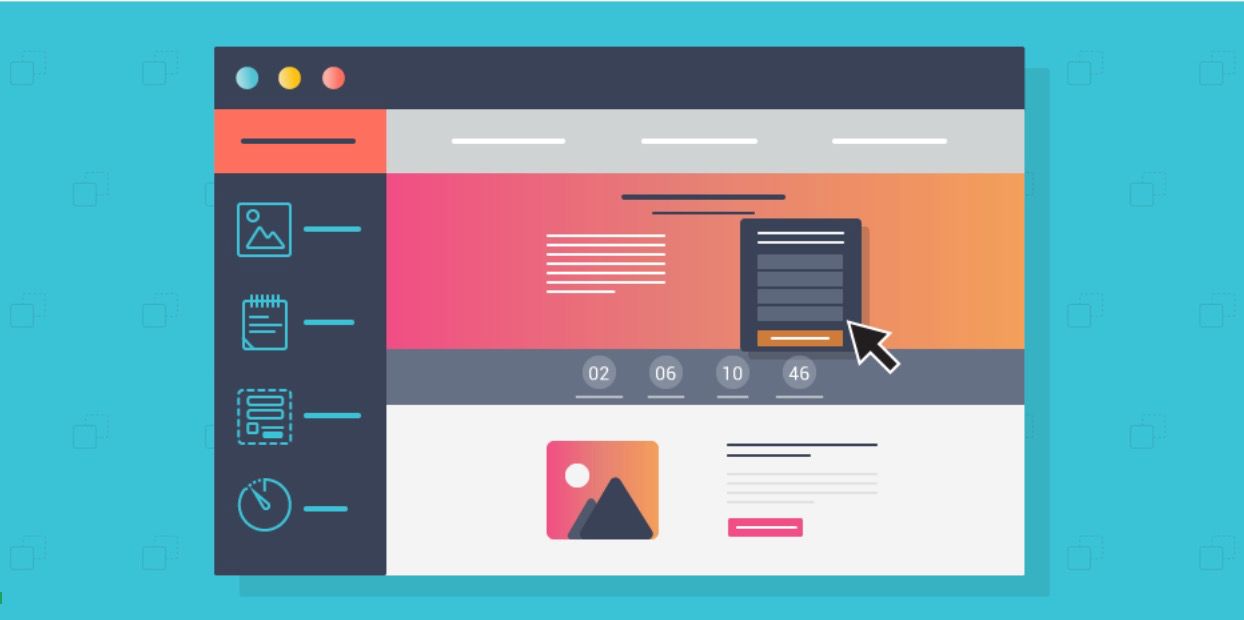
Kartra’s page builder works on a drag-and-drop grid system. Open Pages → Create New Page and choose a template. There are 500+ templates organized by category: opt-in pages, sales pages, thank-you pages, and webinar registrations.
Page Builder Key Concepts
- Sections are full-width rows. Each section can have a background color, image, or video.
- Columns divide a section horizontally (up to four columns per section).
- Elements are the building blocks you drop into columns: text, image, video, countdown timer, button, form, or custom code.
To capture leads, drag a Form element onto the page, then create or link a Kartra Form. That form connects to your leads database and can trigger automations automatically — no Zapier required.
The page builder is functional but not as fluid as Elementor Pro (which starts at $59/year for WordPress users). If pixel-perfect design is your priority, that’s worth knowing before you commit. For funnel-focused marketers who value built-in logic over design flexibility, Kartra’s builder is adequate.
Email Marketing Inside Kartra
This is where Kartra earns its price for many beginners. You get a full email marketing suite — broadcast emails, sequences, and behavioral automations — without paying for a separate tool like ActiveCampaign (which starts at $15/month on the Starter plan).
How Kartra Organizes Email
- Broadcasts: One-time emails sent to a segment of your list.
- Sequences: Timed email series. You set Day 1, Day 3, Day 7 messages and Kartra sends them on schedule.
- Automations (Behavioral): Triggered by actions — a tag applied, a page visited, a product purchased, a video watched to 75%.
To create a sequence, go to Emails → Sequences → Create New. Name it, add emails, set the interval between each, and assign it to a list or a tag. The editor uses a block-based format. It is not as visual as ActiveCampaign’s drag-and-drop automation builder, but it handles standard workflows well.
A simple welcome sequence for a lead magnet:
1. Day 0 — Deliver the lead magnet PDF link
2. Day 2 — Share a case study or tutorial related to the topic
3. Day 5 — Introduce your paid product with a soft pitch
4. Day 7 — Send a deadline email if you used a limited-time offer
Setting Up Products and Checkouts
In Kartra, every paid offer is a “Product.” Go to Products → Create New Product. You define the name, price, billing model (one-time, subscription, payment plan), and checkout page design.
Checkout Page Options
Kartra gives you three checkout formats:
– Embedded on an existing Kartra page via a Product element
– Hosted — Kartra generates a standalone checkout URL
– Pop-up — triggered by a button click on any Kartra page
You can add order bumps (small add-ons shown on the checkout form) and configure one-click upsells or downsells after purchase. This flow mirrors what you’d build manually in ClickFunnels 2.0, but it’s configured entirely within the same product dashboard.
Example: A $27 digital guide with a $9 order bump (quick-start checklist) and a $97 upsell (video course) can be set up in about 45 minutes once your pages exist.
Kartra Memberships: Hosting Your Content
Kartra’s membership module lets you host gated content — courses, communities, or resource libraries — without a tool like Teachable (which starts at $39/month on the Basic plan).
Go to Memberships → Create New Membership. You name the site, set the domain, and design a basic portal. Inside, you create Categories (think: course modules) and Posts (think: lessons). Each post can contain video, text, downloads, or quizzes.
Drip scheduling is built in: you can release content on Day 1, Day 7, Day 14 after purchase automatically. That keeps students engaged rather than overwhelmed.
The membership UI is dated compared to Kajabi’s polished course player, but it handles core delivery reliably. If community features and a premium learner experience matter most, Kajabi ($149/month, Basic) is worth comparing.
Kartra Automations: The Logic Engine
Automations in Kartra are built in two places:
- Sequence-level rules (inside email sequences)
- Kartra Automations — a global if/then logic builder
The global Automation builder lives under Automations → Create New Automation. Each automation has:
– Triggers: A lead opts in, a product is purchased, a tag is added, a membership is accessed
– Conditions: Optional filters (e.g., “only if tag X is present”)
– Actions: Subscribe to sequence, apply tag, send email, grant membership access, notify you via email
Practical example: When someone purchases your $97 course, Kartra can simultaneously grant membership access, add the tag “buyer-course-A”, subscribe them to your post-purchase email sequence, and remove them from your sales sequence — all in one automation rule.
This is where Kartra’s all-in-one structure pays off. Replicating that workflow across separate tools (email platform + membership plugin + payment gateway) requires Zapier and careful testing.
Kartra vs. Competing Platforms: Quick Comparison
| Platform | Starting Price | Best For | Free Trial | Standout Feature |
|---|---|---|---|---|
| Kartra | $119/mo | All-in-one funnel + membership | 14-day trial ($1) | Behavioral automations across all modules |
| ClickFunnels 2.0 | $97/mo | Funnel-first marketers | 14-day free trial | Share funnels + strong community |
| Systeme.io | Free (paid from $27/mo) | Beginners on tight budgets | Free plan available | Lowest cost all-in-one on the market |
| Kajabi | $149/mo | Course creators + coaches | 14-day free trial | Premium course + community experience |
| GoHighLevel | $97/mo | Agencies managing client accounts | 14-day free trial | Sub-accounts + white-labeling |
Who should pick which:
– Kartra — Online sellers who need pages, email, payments, and memberships in one place and can budget $119+/month.
– Systeme.io — Beginners with under $30/month who want to test the all-in-one model before committing.
– ClickFunnels 2.0 — Marketers who build high-volume funnels and rely on a large template and training community.
– Kajabi — Course creators who want the best learner experience and are willing to pay a premium.
– GoHighLevel — Agencies, not solo entrepreneurs; the platform’s strength is managing many client accounts simultaneously.
Common Beginner Mistakes in Kartra
Understanding the platform’s modules is only half the job. These four mistakes slow down most new users:
- Building pages before connecting a domain. URLs with Kartra’s default subdomain look unprofessional and can reduce opt-in rates.
- Ignoring tags. Kartra’s power lives in its tagging system. Every lead behavior should trigger a tag. Without tags, your automations have no data to act on.
- Not testing the checkout flow end to end. Use Kartra’s test mode (available in every product) to place a $0 test order and confirm that membership access, email sequences, and tags all fire correctly.
- Overcomplicating the first funnel. Start with one opt-in page, one thank-you page, one welcome sequence, and one product. Add complexity after your first sale.
Frequently Asked Questions
Is Kartra a good platform for complete beginners?
Kartra is manageable for beginners who are willing to spend time in the dashboard. The learning curve is steeper than Systeme.io but flatter than GoHighLevel. Kartra’s Helpdesk and live chat support are solid, and the done-for-you campaign library shortens setup significantly.
How much does Kartra cost per month?
Kartra’s Starter plan is $119/month (billed monthly) or $99/month billed annually. The Growth plan runs $229/month. A $1 trial gives you 14 days to test the full platform before committing.
Can Kartra replace my email marketing tool?
For most beginner to intermediate users, yes. Kartra handles broadcasts, sequences, and behavioral automations. It won’t match the advanced segmentation depth of ActiveCampaign, but for a solo operator sending under 25,000 emails per month, the built-in email module is sufficient.
Does Kartra host video content?
Kartra has a built-in video hosting feature called Kartra Videos. It lets you embed videos with behavioral triggers — for example, tagging a lead when they watch past the 50% mark. However, it is not designed for large video libraries. Many users host videos on Vimeo and embed them inside Kartra pages.
What’s the difference between Kartra and ClickFunnels?
ClickFunnels 2.0 focuses on funnel building and has a stronger community and template ecosystem. Kartra offers a more complete back-end: deeper behavioral automations, a built-in help desk, and an affiliate management system. ClickFunnels suits funnel-focused marketers; Kartra suits operators who want more control over post-purchase customer journeys.
This Kartra tutorial: what every beginner needs to know should give you enough grounding to set up your first funnel, connect your first email sequence, and process your first order. The platform rewards patience — spend your first week on one funnel, not five. Once that system converts, replicate it.
For a complete picture of how Kartra stacks up against every major alternative, the comparison table above is a useful reference before you commit to the $1 trial.
Want more guides like this? Bookmark TwoFunnelsAway.com and check back as we cover each platform module in depth.
0 Comments on "Kartra Tutorial: What Every Beginner Needs to Know"
Related posts




Leave a Comment
You must be logged in to post a comment.