Best Free Digital Product Platforms Options for Beginners

Not every beginner has cash to invest in a paid platform before making their first sale. This guide breaks down the best free digital product platforms options for beginners — with real pricing, honest pros and cons, and a clear verdict on who should pick what.
Table of Contents
- What “Free” Actually Means on These Platforms
- Best Free Digital Product Platforms Options for Beginners: The Full List
- Platform Comparison Table
- How to Pick the Right Platform for Your Situation
- When to Move Off a Free Plan
- Frequently Asked Questions
The best free digital product platforms options for beginners let you sell ebooks, templates, courses, and downloads without paying a monthly subscription fee. Most of them charge a transaction fee instead, ranging from 0% to 10% per sale. This guide compares seven solid options, explains exactly what “free” means on each platform, and tells you when it makes sense to upgrade.
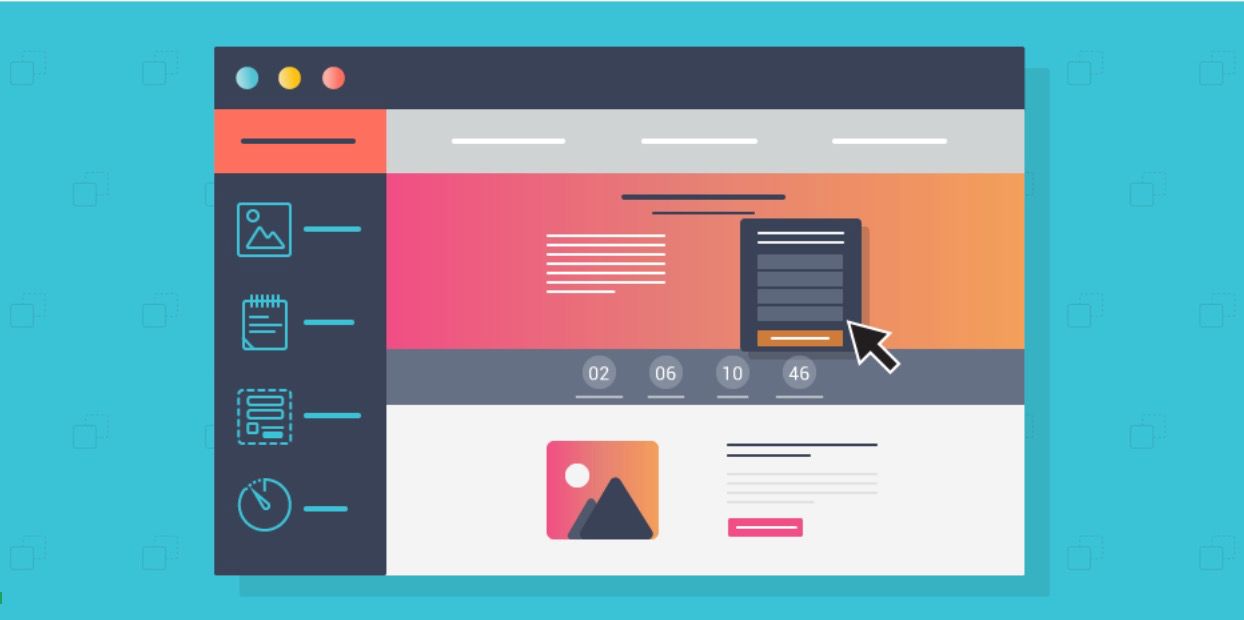
Photo: Kampus Production (Pexels)
What “Free” Actually Means on These Platforms
“Free plan” rarely means zero cost. Most platforms trade the monthly fee for a revenue cut on every transaction. That trade-off works well when you’re making fewer than five sales a month. Once volume picks up, the math often flips.
Two cost models dominate this space:
- Free plan + transaction fee — you pay a cut of each sale (e.g., 5–10%). No monthly bill.
- Free trial, then paid — you get 14–30 days free and then must pay or stop selling.
Understanding which model a platform uses before you sign up saves a lot of frustration.
Best Free Digital Product Platforms Options for Beginners: The Full List
1. Payhip — Genuinely Free With a 5% Fee
Payhip’s Free plan has no monthly cost and no product limit. It charges a 5% transaction fee on top of standard payment processor fees (Stripe/PayPal take roughly 2.9% + $0.30 per sale).
You can sell ebooks, software licenses, memberships, and online courses from day one. The storefront is clean, checkout is fast, and EU VAT handling is built in — useful if any of your buyers are in Europe.
Best for: Bloggers selling ebooks or Canva templates who want zero monthly overhead.
Limitation: The 5% fee stacks up. On a $20 sale, Payhip takes $1.00 plus the processor fee.
2. Gumroad — Flat Fee Model, No Monthly Charge
Gumroad dropped its monthly pricing in 2021 and moved to a flat 10% transaction fee on all sales. That’s higher than Payhip, but the platform has a large built-in creator community and a discovery layer that can send you organic buyers.
You can list unlimited products — PDFs, videos, audio files, software, and memberships. Gumroad also handles VAT and sales tax collection in many regions automatically.
Best for: Creators who want a built-in audience and don’t mind a higher fee in exchange for discoverability.
Limitation: 10% off every sale adds up fast. At $5,000/month revenue, you’re handing over $500 before payment processor fees.
3. Systeme.io — Free Plan With Surprising Depth
Systeme.io is primarily an all-in-one funnel builder, but its free plan includes the ability to sell digital products and host one course with up to 10 hours of content. The free tier also gives you one sales funnel, 2,000 email contacts, and unlimited students.
Systeme.io charges 0% transaction fees on all plans, including free. You keep every dollar minus the payment processor’s standard cut.
Best for: Beginners who want to pair digital product sales with a simple email list and landing page — all from one dashboard.
Limitation: The free plan caps you at one course and three sales funnels. Scaling requires upgrading to the $27/month Startup plan.
4. Teachable — Free Plan for Course Creators
Teachable’s Free plan lets you build and publish one course with unlimited students. It charges a $1 + 10% transaction fee on every sale made through the free tier. That’s a steep cut, but there’s no monthly fee.
The platform handles course hosting, video playback, quizzes, and completion certificates. For a beginner creating their first structured course, that feature set is hard to match at zero monthly cost.
Best for: First-time course creators who want a polished student experience without a subscription.
Limitation: The $1 + 10% fee structure is punishing on low-ticket offers. A $27 course nets you roughly $21.30 before card fees.
5. Thinkific — Free Plan With Solid Course Tools
Thinkific’s Free plan allows one course, unlimited students, and 0% transaction fees. That last point sets it apart from Teachable’s free tier. You pay Stripe or PayPal’s standard processor rate — and nothing else.
The free plan includes quizzes, drag-and-drop course builder, a basic storefront, and student community access. Video content is hosted through a third-party service, so large libraries may feel cumbersome without a paid plan.
Best for: Beginners who want to launch a single course, keep all revenue, and upgrade only when they’re ready.
Limitation: One course limit on the free plan. If you want to sell two courses, you need the $36/month Basic plan.
6. Podia — Limited Free Option
Podia removed its full free plan a few years ago but still offers a free “Mover” starter that includes a basic digital download storefront with a 8% transaction fee. The experience is streamlined — less configuration, cleaner design than many competitors.
You can sell ebooks and templates immediately. Courses require the $33/month Mover plan.
Best for: Beginners who primarily sell simple downloads and want a polished checkout experience.
Limitation: Not a strong option if you plan to add courses later without paying for a subscription.
7. SendOwl — Free Tier for Low Volume Sellers
SendOwl offers a free plan that allows up to three products and 10 orders per month. Beyond that, you need the $18/month Basic plan.
It handles PDF stamping (adding buyer info to prevent sharing), automatic delivery, and upsells. For someone just testing whether a digital product will sell, the free tier removes all friction.
Best for: Testing a product idea with minimal commitment before investing in a full platform.
Limitation: Three products and 10 orders per month is very restrictive for any serious selling.
Platform Comparison Table
| Platform | Monthly Fee | Transaction Fee | Free Course Hosting | Best For |
|---|---|---|---|---|
| Payhip | $0 | 5% | Yes | Ebooks, templates, simple products |
| Gumroad | $0 | 10% | Yes (video content) | Creators wanting discovery/built-in audience |
| Systeme.io | $0 | 0% | Yes (1 course, 10 hrs) | Funnels + email + products in one place |
| Teachable | $0 | $1 + 10% | Yes (1 course) | First course with polished student UX |
| Thinkific | $0 | 0% | Yes (1 course) | Single course, keep 100% of revenue |
| Podia | $0 | 8% | No (paid plan needed) | Simple downloads, clean checkout |
| SendOwl | $0 | Varies | No | Testing a product idea, ultra-low volume |
How to Pick the Right Platform for Your Situation
The best free digital product platforms options for beginners depend heavily on what you’re selling and how you plan to sell it.
Selling Ebooks or Templates
Go with Payhip first. The 5% fee is reasonable at low volume, the setup takes under 30 minutes, and you can embed a buy button on your existing blog. Once monthly revenue clears $500, do the math on upgrading to Payhip’s Plus plan ($29/month, 0% fee) — it pays for itself quickly.
Gumroad is a reasonable second choice if you want the platform to send you some traffic. The 10% cut stings, but getting discovered by existing Gumroad shoppers has real value in your first three months.
Selling Online Courses
Start on Thinkific’s free plan. Zero transaction fees and a solid course builder mean you’re not giving up revenue while you validate your idea. If your first course succeeds and you want to add a second, the upgrade to $36/month is a straightforward decision.
Teachable’s free plan is worth considering if student experience matters more to you than fee savings — the platform is slightly more polished visually. Just run the numbers on what the $1 + 10% fee costs you at your planned price point before committing.
Selling Multiple Product Types (Downloads + Email + Funnels)
Systeme.io’s free plan is unusual. No other platform in this tier gives you a sales funnel builder, email marketing for up to 2,000 subscribers, AND digital product hosting at zero cost with zero transaction fees. If you plan to build an email list and sell products from a single dashboard, Systeme.io is the most capable free option available.
The tradeoff is a steeper learning curve than Payhip or Gumroad.
Just Testing a Product Idea
Use SendOwl’s free tier or Gumroad. Both require minimal setup, and neither locks you into a brand identity you’ll need to migrate away from if your product flops.
When to Move Off a Free Plan
Staying on a free plan too long costs money. Here’s a practical trigger for each platform:
- Payhip → Upgrade to Plus ($29/month) when monthly revenue exceeds $580. At that point, the 5% fee exceeds the monthly plan cost.
- Gumroad → Seriously evaluate alternatives once revenue passes $300/month. The 10% fee adds up fast.
- Systeme.io → Move to the $27/month Startup plan when you need more than one funnel or a second course.
- Thinkific → Upgrade to Basic ($36/month) when you’re ready to launch a second course.
Revisit your platform choice every six months. What works at $0/month and 10 sales/month rarely works at $2,000/month and 100 sales/month.
Frequently Asked Questions
Do free digital product platforms charge any fees at all?
Most free plans charge a transaction fee ranging from 5% to 10% per sale instead of a monthly subscription. Thinkific and Systeme.io are notable exceptions — both offer free plans with 0% transaction fees. You’ll still pay standard Stripe or PayPal processing fees (typically 2.9% + $0.30 per transaction) regardless of platform.
Can I sell courses on a free plan?
Yes, on several platforms. Teachable, Thinkific, and Systeme.io all allow course creation on their free tiers. Thinkific and Systeme.io charge 0% transaction fees; Teachable charges $1 + 10% per sale on its free plan. Podia requires a paid plan for course hosting.
What’s the difference between Teachable and Thinkific on free plans?
The main difference is transaction fees. Teachable charges $1 + 10% per sale on its free plan; Thinkific charges 0%. Both allow one course and unlimited students. Thinkific’s free plan is more cost-effective for most beginners. Teachable’s student experience and interface are slightly more polished, which matters if you’re selling at higher price points where student trust is a factor.
Is Systeme.io really free?
Yes. Systeme.io’s free plan is permanent (not a trial) and includes 2,000 contacts, one course, three sales funnels, and unlimited email sends. There are no transaction fees on any Systeme.io plan. The main limitations are the product and funnel caps, which increase on paid plans starting at $27/month.
When should a beginner start paying for a platform?
The simplest rule: pay for a platform when the monthly transaction fees you’re losing exceed the monthly plan cost. For Payhip at 5%, that crossover happens at $580/month in revenue. For Gumroad at 10%, it happens at $270/month (if upgrading to a hypothetical lower-fee alternative). Track your fees monthly and make the call with actual numbers, not guesswork.
So what are the best free digital product platforms options for beginners in 2025? For simple downloads, Payhip. For courses without fees, Thinkific. For an all-in-one setup, Systeme.io. Start with one, validate your product, then upgrade when revenue justifies it.
Want more guides like this? Bookmark twofunnelsaway.com and check back — we publish new comparisons regularly.
0 Comments on "Best Free Digital Product Platforms Options for Beginners"
Related posts



Leave a Comment
You must be logged in to post a comment.