How to Set Up PartnerStack in Under 30 Minutes

PartnerStack lets SaaS companies and digital product sellers launch a structured affiliate program fast. This guide walks through every setup step so you can go live in 30 minutes or less.
Table of Contents
- What PartnerStack Is (and Who It’s For)
- What You Need Before You Start
- How to Set Up PartnerStack in Under 30 Minutes
- PartnerStack vs. Alternatives: Quick Comparison
- Common Setup Mistakes to Avoid
- After Your First 30 Minutes: What Comes Next
- Frequently Asked Questions
If you need how to set up PartnerStack in under 30 minutes, the short answer is: create your account, configure your program details, install the tracking snippet, set reward rules, and send your first partner invite — all inside a single afternoon session. Below is the exact sequence, with no steps skipped.
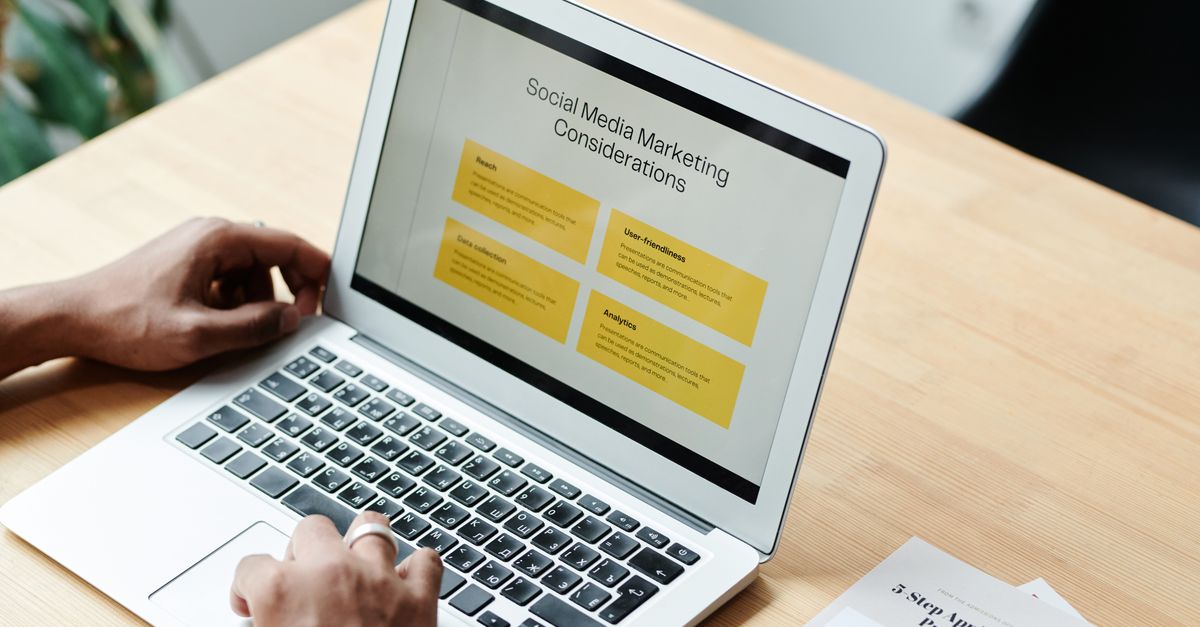
Photo: RDNE Stock project (Pexels)
What PartnerStack Is (and Who It’s For)
PartnerStack is a partner relationship management (PRM) platform aimed at SaaS companies, digital product sellers, and B2B brands that want a structured affiliate or referral program. Unlike generic affiliate networks, PartnerStack hosts a marketplace of vetted partners who can discover and apply to your program directly.
Pricing starts at custom quotes for full PRM access, but PartnerStack publishes a free trial option for evaluation. Before committing, confirm your pricing tier on PartnerStack’s official site — plans vary based on partner volume and feature access.
This guide is useful if you:
– Sell a SaaS product, online course, or digital service
– Want automated commission tracking rather than spreadsheet-based payouts
– Plan to recruit affiliates, resellers, or referral partners in one platform
If you sell a simple physical product on Shopify, a lighter tool like a native Shopify affiliate app may fit better. PartnerStack earns its complexity for subscription-based or recurring-revenue products.
What You Need Before You Start
Gather these items before opening the dashboard. Having them ready cuts setup time in half.
- Your product URL and a short program description (under 150 words)
- Commission structure decided: flat fee per sale, percentage of revenue, or recurring monthly commission
- Payout threshold: the minimum balance before partners receive payment (e.g., $25 or $50)
- A credit or debit card for billing verification, even on a trial
- Access to your website’s
<head>tag (or your developer on standby for the tracking snippet)
How to Set Up PartnerStack in Under 30 Minutes
This is the core walkthrough. Each step is numbered and timed so you can track your pace.
Step 1: Create Your PartnerStack Account (3 minutes)
Go to partnerstack.com and click Get Started. You’ll enter your company name, work email, and a password. PartnerStack will ask what type of program you want to run — choose Affiliate for a standard commission-per-sale setup, or Referral if you want customers to refer other customers.
Confirm your email before moving on. The confirmation link usually arrives within 60 seconds.
Step 2: Complete Your Company Profile (4 minutes)
After logging in, navigate to Settings → Company. Fill in:
- Company name and logo (PNG, at least 200×200 px)
- Website URL
- Short company description — this appears in the PartnerStack marketplace, so write it as a pitch to potential partners, not internal jargon
Save the profile. Partners browsing the marketplace will see this information before applying, so clarity here improves application quality.
Step 3: Configure Your Program (7 minutes)
Go to Programs → Create Program. This is the most detailed section.
Program name: Keep it simple — “Acme SaaS Affiliate Program” works fine.
Partner reward:
– Flat commission — best for one-time purchase products
– Percentage of revenue — best for recurring SaaS subscriptions (industry standard is 20–30% for SaaS affiliates [verify])
– Tiered rewards — unlocks higher rates for top performers; configure this under the Tiers tab after initial setup
Cookie duration: PartnerStack defaults to 90 days. For high-consideration B2B purchases, keep 90 days or longer. For impulse-purchase products, 30 days is acceptable.
Program visibility: Set to Public if you want marketplace discovery. Set to Private if you only invite specific partners manually.
Save the program before moving to the next step.
Step 4: Install the Tracking Snippet (6 minutes)
This step is where most setups stall. Do not skip it — without the snippet, PartnerStack cannot attribute conversions to partners.
Navigate to Settings → Integrations → Tracking Snippet. You’ll see a short JavaScript tag. Paste it inside the <head> section of every page on your site, especially your checkout and thank-you pages.
If you use WordPress: Install the Insert Headers and Footers plugin (free), paste the snippet into the Header field, and save.
If you use Webflow: Go to Project Settings → Custom Code → Head Code, paste the snippet, and publish.
If you use a custom stack: Hand the snippet to your developer with the instruction: “Add this to the <head> on all pages, and fire the conversion event on order confirmation.”
After installing, use PartnerStack’s built-in Snippet Checker (found in the same Integrations panel) to verify the tag fires correctly before going live.
Step 5: Connect Your Payment Gateway (5 minutes)
PartnerStack pays partners on your behalf, then charges you. Navigate to Settings → Billing and connect a payment method. PartnerStack supports ACH, wire transfer, and credit card for company billing.
Set your payout schedule — monthly is standard. Partners receive their commissions through PartnerStack’s payout engine (PayPal, Stripe, or direct bank transfer depending on the partner’s location).
You don’t need to manage individual partner payments. PartnerStack handles currency conversion and tax form collection (W-9 for US partners, W-8BEN for international).
Step 6: Set Up Your Partner Portal Branding (3 minutes)
Go to Partner Portal → Customize. Upload your logo and set your brand colors. Partners will log in to this portal to grab their referral links, check earnings, and download assets.
Add at least one promotional asset — a banner ad, email copy snippet, or product screenshot. Partners with ready-made creative start promoting faster. Even one 728×90 px banner image makes a measurable difference in early activation rates.
Step 7: Invite Your First Partner (2 minutes)
Navigate to Partners → Invite Partners. Enter the email address of someone you’ve already agreed to recruit — a blogger, newsletter writer, or industry peer. PartnerStack sends them an invite with a direct application link.
Once they accept, they’ll appear in your Partners dashboard, and their unique referral link will be auto-generated. You don’t need to create links manually.
PartnerStack vs. Alternatives: Quick Comparison
If you’re evaluating PartnerStack alongside other options, this table covers the core differences.
| Platform | Starting Price | Best For | Free Trial | Standout Feature |
|---|---|---|---|---|
| PartnerStack | Custom (contact sales) | SaaS, B2B recurring revenue | Yes (demo-based) | Built-in partner marketplace |
| Tapfiliate | $89/month (Essential) | eCommerce + SaaS | 14-day free trial | Easy Shopify/WooCommerce integration |
| Rewardful | $49/month (Starter) | Stripe-based SaaS products | 14-day free trial | Native Stripe recurring commission tracking |
| Impact.com | Custom (enterprise-focused) | Large brands, influencer programs | No (demo only) | Advanced fraud detection + contract management |
Our take: PartnerStack makes the most sense if you want marketplace discovery and are running a subscription product. Rewardful is a leaner, cheaper option if you’re already on Stripe and want minimal overhead. Impact.com scales better for enterprise programs with complex contracts.
Common Setup Mistakes to Avoid
A quick check before you invite partners protects you from hard-to-fix problems later.
Mistake 1: Installing the snippet on only the homepage. The snippet must fire on every page — including your pricing page, blog, and checkout. Attribution breaks without it on the conversion page.
Mistake 2: Setting commissions too low to attract partners. A 5% commission on a $29/month product yields $1.45 per referral. Experienced affiliates will skip your program entirely. Aim for a first-year commission value that at least covers a partner’s marketing cost.
Mistake 3: Leaving the partner portal empty. A portal with no assets, no FAQ, and no onboarding email signals low investment. Write a simple 3-paragraph welcome email inside Partner Portal → Onboarding Emails — it takes 10 minutes and dramatically improves activation.
Mistake 4: Skipping snippet verification. Always run the Snippet Checker after installation. A broken snippet means you’re paying for a program with no data — and partners who earned commissions you can’t verify.
After Your First 30 Minutes: What Comes Next
Once the program is live, the work shifts from setup to recruitment and optimization.
- Week 1: Manually invite 5–10 partners you already know. Early partners who succeed become your best case studies for attracting more.
- Week 2–4: Review your Analytics → Conversions tab. Check which partners drive clicks but not sales — this often points to a landing page problem, not a partner quality problem.
- Month 2: Enable the PartnerStack Marketplace listing fully if you set the program to Public. Fill in the marketplace profile completely — programs with a logo, full description, and at least one asset get significantly more organic applications [verify].
Frequently Asked Questions
How much does PartnerStack cost for a new program?
PartnerStack does not publish flat-rate pricing publicly. It operates on custom quotes, typically based on partner volume and feature requirements. Request a demo and quote directly from their sales team before assuming a budget.
Can I use PartnerStack if I’m not a SaaS company?
Yes, but it fits best for digital products with recurring billing. If you sell a one-time digital download, the platform works technically, but simpler tools like Rewardful or Tapfiliate may offer better value for that use case.
Does PartnerStack handle tax forms for partners?
Yes. PartnerStack collects W-9 (US residents) and W-8BEN (international partners) forms through the platform. You don’t need to chase tax documents manually — partners submit them through their portal before their first payout.
How long does it take for partners to receive their first payout?
PartnerStack runs monthly payout cycles by default. A partner who earns a commission in January would typically receive payment in the following month’s cycle, assuming they’ve met the minimum payout threshold you set.
What if the tracking snippet breaks after a site update?
Run the Snippet Checker in Settings → Integrations after any major site update. If the snippet isn’t detected, reinstall it using your CMS’s header code tool. Set a calendar reminder to verify the snippet quarterly.
Knowing how to set up PartnerStack in under 30 minutes comes down to preparation: have your commission structure, branding assets, and website access ready before you open the dashboard. The platform itself is logically organized — the steps above follow the exact in-app flow. Most delays happen outside PartnerStack, not inside it.
Want more guides like this? Bookmark twofunnelsaway.com and check back for walkthroughs on affiliate program strategy, email marketing automation, and funnel building.
0 Comments on "How to Set Up PartnerStack in Under 30 Minutes"
Related posts




Leave a Comment
You must be logged in to post a comment.