Cheapest Sales Funnel Software That Still Gets Results

Looking for the cheapest sales funnel software that still gets results? This guide breaks down five solid options by price, features, and who each tool actually fits.
Table of Contents
- Why Cheap Funnel Software Isn’t Automatically Bad
- The 5 Cheapest Sales Funnel Software Options That Still Get Results
- Side-by-Side Comparison
- Who Should Pick Which Tool
- The Hidden Cost of “Too Cheap”
- Frequently Asked Questions
The cheapest sales funnel software that still gets results isn’t one single platform — it depends on whether you’re selling a course, running an email list, or doing affiliate marketing. This guide covers five tools priced under $100/month (some start free), explains exactly what each one does well, and helps you match your situation to the right choice.
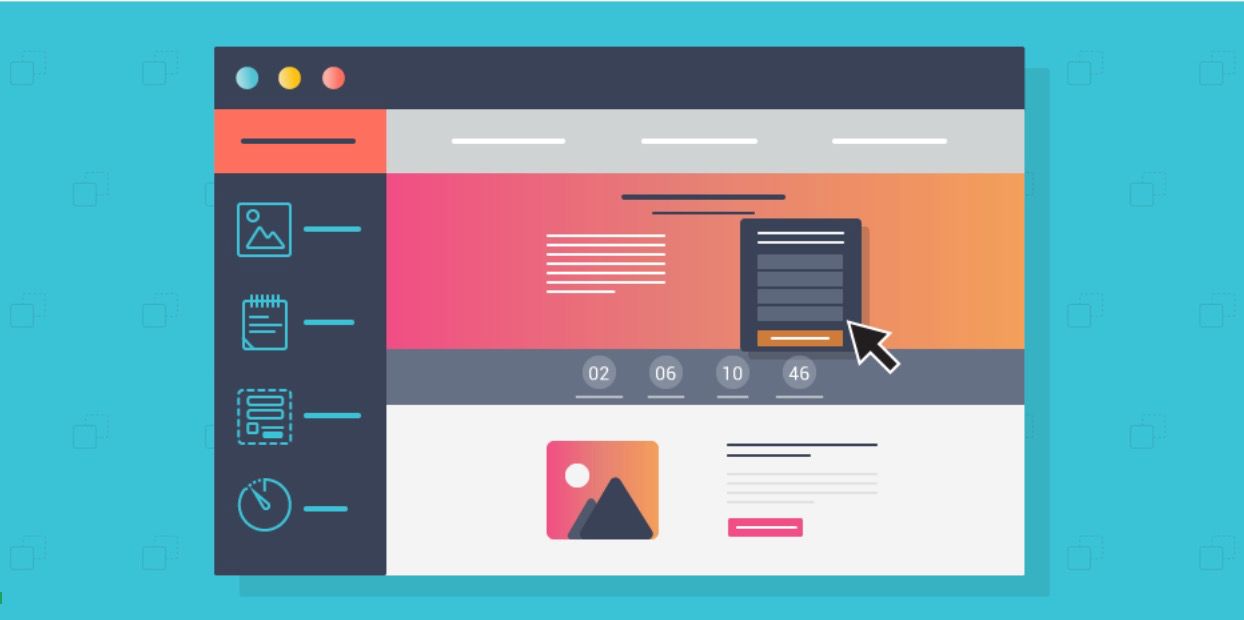
Photo: Towfiqu barbhuiya (Pexels)
Why Cheap Funnel Software Isn’t Automatically Bad
A $500/month platform doesn’t build better funnels than a $27/month one — it just does more things. For most bloggers and early-stage online entrepreneurs, those extra features sit unused for months.
The real question is: which affordable tool handles the core funnel workflow — landing page, opt-in, email sequence, and checkout — without requiring workarounds or add-ons that push the cost back up?
That’s the filter used here. Each tool was evaluated on:
- Starting price (actual cost, not introductory teaser pricing)
- What’s included at the base tier
- Where it starts to break down
- Who it’s genuinely right for
The 5 Cheapest Sales Funnel Software Options That Still Get Results
1. Systeme.io — Best Free Starting Point
Systeme.io has a legitimate free plan that includes up to 2,000 contacts, 3 sales funnels, unlimited emails, and one membership site. That’s not a trial — it’s a permanent free tier.
The paid plans start at $27/month (Startup plan), which unlocks 10 funnels, 5,000 contacts, and 10 automation rules. For a solo creator just launching their first lead magnet or tripwire offer, this covers the full funnel stack.
What works well:
– Built-in email marketing (no separate autoresponder needed)
– Course hosting included even on free plan
– Straightforward drag-and-drop editor
What breaks down:
– Template library is limited compared to ClickFunnels
– Design customization is basic — fine for conversions, not for branding
– Affiliate program management is only on the $97/month Unlimited plan
Best for: Bloggers building their first funnel on a tight budget who want email + funnels in one place without paying for two tools.
2. GetResponse — Best When Email Is the Core
GetResponse is primarily an email marketing platform, but its higher tiers include a full funnel builder, landing pages, and webinar hosting. The Marketing Automation plan runs $59/month for up to 1,000 contacts [verify current pricing at getresponse.com], and it includes conversion funnels with pre-built templates for product launches.
The funnel builder — called “Conversion Funnel” inside the platform — walks you through a structured workflow: opt-in page → email sequence → sales page → thank-you page. It’s not as flexible as a dedicated page builder, but it covers the standard funnel shape without needing third-party integrations.
What works well:
– Email deliverability is strong
– Webinar feature built in (useful for course creators and coaches)
– The funnel templates are pre-sequenced, which saves setup time
What breaks down:
– Landing page editor feels dated compared to Kartra or ClickFunnels 2.0
– At 1,000 contacts, the price-per-subscriber is high relative to Systeme.io
– Not ideal if your primary goal is a multi-step product funnel rather than email list growth
Best for: Creators who want email marketing as the main engine and need a basic funnel attached, rather than the other way around.
3. ClickFunnels 2.0 — Best If You Need a Proven Funnel Ecosystem
ClickFunnels 2.0 starts at $97/month, which puts it at the upper edge of “cheap.” But it belongs on this list because the base plan includes a CRM, course builder, blog, and unlimited funnels — features that would cost $150–$200/month if assembled from separate tools.
The funnel templates are battle-tested. ClickFunnels popularized the “value ladder” funnel structure (free lead magnet → tripwire → core offer → upsell), and the template library reflects that. A beginner can launch a working opt-in funnel in under two hours using one of the pre-built flows.
What works well:
– The largest template library of any platform on this list
– Built-in A/B testing even on the base plan
– Active user community means troubleshooting resources are abundant
What breaks down:
– $97/month is a real commitment for someone pre-revenue
– Email marketing is included but less mature than dedicated tools like ActiveCampaign or Kit
– The interface has a learning curve despite the templates
Best for: Marketers who have validated at least one offer and want a full funnel system — not beginners testing their first idea on a $20 budget.
4. Kartra — Best All-in-One Below $100/Month
Kartra’s Starter plan is $119/month (billed monthly) but drops to $99/month on annual billing. It includes 2,500 contacts, 1 custom domain, unlimited pages, funnels, and emails — plus video hosting, a helpdesk, and a membership portal.
That’s the broadest feature set on this list at the sub-$100 annual price point. The funnel builder uses a visual “sequence” editor where you drag connections between pages, emails, and conditions. It’s more intuitive than building logic manually in separate tools.
What works well:
– Behavioral-based email automation is more sophisticated than Systeme.io or GetResponse funnels
– Video hosting with in-video opt-in forms — genuinely useful for course marketers
– Membership site and affiliate management both included
What breaks down:
– The UI is dense; new users typically need 2–3 hours just to orient themselves
– 2,500 contacts at $99/month is expensive per-subscriber for list-focused businesses
– Customer support response times have been inconsistent per community reports [verify]
Best for: Digital product sellers (courses, memberships, coaching) who want one bill and one login rather than stitching tools together.
5. Kajabi — Most Expensive Here, But Justifiable for Course Creators
Kajabi’s Basic plan runs $149/month (or ~$119/month annually). That’s the highest price on this list, but it bundles course hosting, community, website, email marketing, funnels, and coaching products in one platform.
For a course creator whose alternative is Teachable ($119/month) + ConvertKit ($25/month) + a landing page tool ($49/month), Kajabi consolidates roughly $193/month of tools into one. The “Pipelines” feature — Kajabi’s term for funnels — includes done-for-you templates for product launches, webinars, and free challenges.
What works well:
– Course and membership experience is the most polished of any platform here
– Email automation and tagging is more capable than Systeme.io at this tier
– Single platform for every customer touchpoint reduces integration errors
What breaks down:
– Transaction fees apply on lower plans [verify current structure]
– Overkill if you’re not selling courses or coaching
– No free plan; 14-day trial only
Best for: Course creators and coaches who are already generating revenue and want to consolidate their stack, not beginners building their first funnel.
Side-by-Side Comparison
| Tool | Starting Price | Free Plan? | Email Included? | Best For | Biggest Limitation |
|---|---|---|---|---|---|
| Systeme.io | $0 (free) / $27/mo | Yes | Yes | Beginners, budget builders | Limited templates, basic design |
| GetResponse | ~$19/mo (email only) | Free tier available | Yes (core product) | Email-first marketers | Funnel builder is secondary |
| ClickFunnels 2.0 | $97/mo | No (trial only) | Yes (basic) | Validated offers, sales funnels | High monthly cost pre-revenue |
| Kartra | $99/mo (annual) | No (trial only) | Yes | Digital product sellers | Steep learning curve |
| Kajabi | $119/mo (annual) | No (trial only) | Yes | Course creators, coaches | Too much if not selling courses |
Who Should Pick Which Tool
This is where the cheapest sales funnel software that still gets results depends entirely on your situation:
-
Pre-revenue, first funnel, under $30/month budget: Start with Systeme.io’s free plan. Build your lead magnet funnel, grow to 500–1,000 subscribers, validate your offer, then reassess.
-
Email list is your main asset, funnels are secondary: GetResponse gives you solid email deliverability with a usable funnel builder bolted on. The free tier covers up to 500 contacts [verify].
-
You’ve made sales and want a full funnel system: ClickFunnels 2.0 at $97/month becomes cost-effective once you’re running paid traffic or have a product selling consistently.
-
You sell digital products and hate managing multiple logins: Kartra at $99/month (annual) or Kajabi at $119/month consolidates your stack in a way that saves money compared to assembling tools separately.
-
You run an online course business: Kajabi is the cleanest answer. The course experience outperforms every other tool on this list.
The Hidden Cost of “Too Cheap”
A common mistake is picking the lowest-priced tool and then paying for missing features through add-ons. A $19/month email tool plus a $49/month page builder plus a $29/month checkout tool equals $97/month — the same as ClickFunnels 2.0, but with three logins and integration headaches.
Before committing to any platform, map your funnel stack: landing page → opt-in form → email sequence → sales page → checkout → post-purchase delivery. Check which pieces each tool covers natively. The cheapest sales funnel software that still gets results is usually the one that handles the most steps without requiring third-party tools.
Frequently Asked Questions
What is the cheapest sales funnel software with a free plan?
Systeme.io offers the most complete free plan — 2,000 contacts, 3 funnels, unlimited emails, and one course or membership. GetResponse also has a free tier capped at 500 contacts. ClickFunnels, Kartra, and Kajabi offer only time-limited trials.
Can I build a funnel that actually converts using a free tool?
Yes, with realistic expectations. Systeme.io’s free plan gives you everything needed to build a standard opt-in → email sequence → sales page funnel. Conversion rates depend on your copy and offer, not the price of the software.
Is ClickFunnels 2.0 worth $97/month for a beginner?
Generally, no — not if you haven’t validated an offer yet. The $97/month cost is easier to justify once you’re generating at least $300–$500/month in revenue and need the full template library and A/B testing.
What’s the difference between Kartra and Kajabi?
Kartra focuses on marketing automation and funnel logic — behavioral triggers, multi-step sequences, and affiliate management. Kajabi focuses on the student and customer experience — course delivery, community, and coaching. If you sell courses, Kajabi wins. If you run complex automated campaigns, Kartra is the stronger choice.
Do I need separate email marketing software with these tools?
Not necessarily. All five platforms include email marketing to some degree. Systeme.io, Kartra, ClickFunnels 2.0, and Kajabi handle email natively. If you need advanced segmentation or high-volume deliverability, you might eventually add a dedicated tool like ActiveCampaign or Kit — but that’s a later-stage problem, not a day-one requirement.
Finding the cheapest sales funnel software that still gets results comes down to matching the tool to your current stage, not your aspirational one. Start with the minimum that covers your actual funnel steps, run traffic to it, and upgrade only when a specific missing feature is costing you conversions.
Want more breakdowns like this? Bookmark twofunnelsaway.com and check back as we add hands-on comparisons across every major funnel and marketing platform.
0 Comments on "Cheapest Sales Funnel Software That Still Gets Results"
Related posts




Leave a Comment
You must be logged in to post a comment.