Mediavine Alternatives: 5 Options Compared

Not every blogger qualifies for Mediavine — or wants to wait. This guide breaks down five real Mediavine alternatives compared by requirements, RPM potential, and who each network suits best.
Table of Contents
- Why bloggers look for Mediavine alternatives
- What to look for before you switch or start
- Mediavine alternatives: 5 options compared
- Side-by-side comparison
- How to choose: a decision path
- A note on stacking networks
- Frequently asked questions
- Picking the right network for your stage
If your blog doesn’t yet hit 50,000 sessions per month — or you’re simply evaluating whether Mediavine is the right fit — you need a clear look at what else is out there. This rundown of Mediavine alternatives: 5 options compared covers the most credible display ad networks available to US bloggers in 2025, ranked by RPM potential, traffic thresholds, and ease of approval.
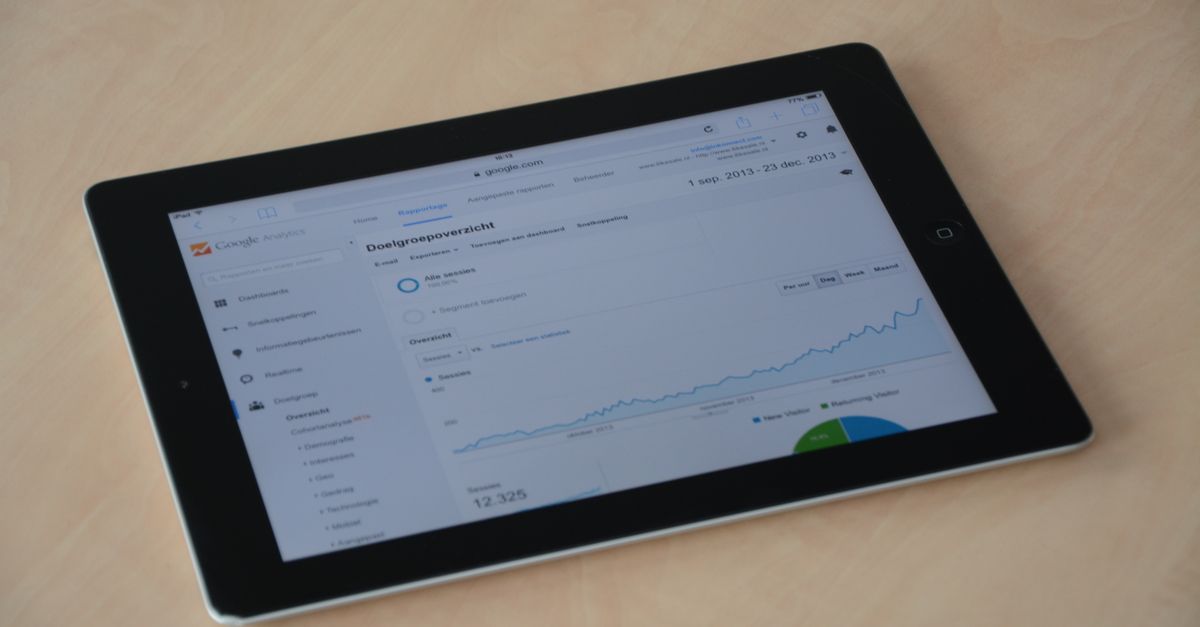
Photo: Fify Loewen (Pexels)
Why bloggers look for Mediavine alternatives
Mediavine is widely respected. Its RPMs consistently outperform much of the market, and its publisher support is solid. But two common friction points push bloggers to look elsewhere:
- The traffic floor. Mediavine requires 50,000 sessions in the last 30 days — not pageviews, sessions. New and mid-size blogs don’t qualify.
- Niche restrictions. Finance, crypto, and certain political content categories face stricter scrutiny or outright rejection.
Add in the occasional long approval queue, and it’s clear why “Mediavine alternatives: 5 options compared” is one of the most searched phrases in the blogger monetization space.
What to look for before you switch or start
Before committing to any network, nail down these four variables:
- Monthly traffic threshold — some networks accept 10,000 pageviews; others want 100,000+.
- RPM range — revenue per 1,000 pageviews varies widely by niche, season, and ad density.
- Payment terms — Net 30 vs. Net 65 matters if you’re running a tight cash flow.
- Ad control — can you block specific advertisers or categories?
With those filters in mind, here’s how the top five alternatives stack up.
Mediavine alternatives: 5 options compared
1. Raptive (formerly AdThrive)
Raptive is the most direct Mediavine competitor in terms of RPM potential and publisher experience. It requires 100,000 pageviews per month — double Mediavine’s bar — and the majority of your traffic must come from the US, UK, Canada, or Australia.
Who it’s for: Established bloggers in lifestyle, food, home decor, parenting, and personal finance who already have strong organic traffic. If you clear 100K pageviews, Raptive’s RPMs often run 15–30% higher than Mediavine’s, depending on niche and season [verify exact percentage against Raptive’s publisher data].
Standout feature: Raptive offers a revenue guarantee during your first 12 months — they’ll match or beat what you were earning before, or pay the difference.
Drawback: The traffic threshold excludes most bloggers who are still scaling. Payment is Net 45.
2. Ezoic
Ezoic sits at the opposite end of the access spectrum. There’s no hard minimum traffic requirement — the platform opened access to all publishers in 2021. You can start monetizing with as few as a few hundred monthly visitors, though meaningful RPM earnings realistically kick in around 10,000 monthly pageviews.
Ezoic uses AI-driven ad placement, running multivariate tests to find the ad combinations that maximize revenue for your specific audience. Results vary considerably. Some niches report RPMs of $8–$20; others see less than $5, particularly outside Q4.
Who it’s for: Bloggers who are growing but haven’t hit Mediavine’s 50K sessions floor yet. Also useful for sites that were rejected by Mediavine or Raptive due to niche or content concerns.
Standout feature: Ezoic’s “Big Data Analytics” suite (included free) gives you a level of SEO and UX reporting that most standalone analytics tools charge for.
Drawback: Ad implementation can be technically involved. Sites running Ezoic’s full suite often see a Core Web Vitals impact — something to monitor closely, especially if SEO is your main traffic engine.
Payment: Net 30 via PayPal, direct deposit, or Payoneer.
3. Monumetric
Monumetric (formerly The Blogger Network) targets the mid-tier blogger — the segment that’s past hobby-level traffic but not yet at Mediavine scale. The minimum requirement is 10,000 pageviews per month, making it accessible earlier in a blog’s growth curve.
There’s a one-time $99 setup fee for blogs under 80,000 monthly pageviews. That fee disappears once you cross that threshold. Publishers on Monumetric report RPMs ranging from $5–$15, which sits below Mediavine but above most untargeted networks.
Who it’s for: Bloggers in the 10,000–50,000 pageview range who want a managed ad experience without the complexity of Ezoic’s platform. Parenting, travel, and food blogs perform particularly well here.
Standout feature: Monumetric’s team handles ad setup manually — you don’t need to configure anything technical yourself.
Drawback: The $99 setup fee adds friction for blogs with limited monetization history. Payment is Net 60, which is on the slower side.
4. SHE Media
SHE Media operates one of the largest female-focused ad networks in the US. Its partner program (formerly BlogHer) works best for publishers whose audience skews female — lifestyle, wellness, parenting, relationships, beauty, and personal finance for women.
The traffic minimum is approximately 20,000 monthly pageviews, though SHE Media also considers audience fit as part of its approval criteria. A food blog with 22,000 pageviews and a predominantly female US audience will likely get approved; a male-dominated gaming blog with 50,000 pageviews probably won’t.
Who it’s for: Female-audience publishers who want brand partnerships alongside display revenue. SHE Media frequently connects approved publishers with sponsored content deals from major consumer brands — something pure ad networks rarely offer.
Standout feature: Sponsored content opportunities and brand campaigns layer on top of standard display revenue, creating a second income stream within the same network.
Drawback: If your audience isn’t predominantly female, the approval process is unlikely to work in your favor. RPMs also tend to trail Mediavine for non-lifestyle niches.
Payment: Net 60 via check or direct deposit.
5. AdSense (Google)
Google AdSense is the fallback option — and that framing is intentional. It’s not a premium network, but it’s the most accessible display advertising program on the internet. There’s no traffic minimum, approval is largely automated, and setup takes under an hour for most WordPress sites.
RPMs for AdSense typically run $1–$5 for US traffic in non-competitive niches, though high-value niches like finance and legal can push that higher. The ceiling is well below Mediavine or Raptive under normal conditions.
Who it’s for: Bloggers in their first 6–12 months who want to generate some revenue while building toward a premium network’s traffic threshold. Also appropriate for small niche sites where display ads are a secondary monetization channel behind affiliate or product sales.
Standout feature: Zero barrier to entry. Google’s ad fill rate is essentially 100%, so you’re never left with empty ad slots.
Drawback: RPMs are the lowest of any network on this list. Google’s payment minimum is $100, and payment arrives Net 21 after the end of the month you hit that threshold — which can take several months for low-traffic sites.
Side-by-side comparison
| Network | Traffic Minimum | Typical RPM Range | Setup Fee | Payment Terms | Best For |
|---|---|---|---|---|---|
| Raptive (AdThrive) | 100,000 pageviews/mo | $15–$40+ | None | Net 45 | High-traffic lifestyle/food blogs |
| Ezoic | None (practical: ~10K PV) | $5–$20 | None | Net 30 | Growing blogs under 50K sessions |
| Monumetric | 10,000 pageviews/mo | $5–$15 | $99 (under 80K PV) | Net 60 | Mid-tier blogs 10K–50K pageviews |
| SHE Media | ~20,000 pageviews/mo | $6–$18 | None | Net 60 | Female-audience lifestyle blogs |
| Google AdSense | None | $1–$5 | None | Net 21 after month-end | New blogs, secondary monetization |
RPM ranges are approximate and vary significantly by niche, season (Q4 runs highest), and audience geography. US traffic commands a premium across all networks.
How to choose: a decision path
This is where the “Mediavine alternatives: 5 options compared” question gets practical. Use the following logic:
Under 10,000 monthly pageviews?
Start with AdSense. It won’t generate meaningful revenue, but it familiarizes you with ad management and doesn’t interfere with your path to a premium network later.
Between 10,000 and 50,000 pageviews?
Monumetric is the cleaner managed option if you prefer a hands-off setup. Ezoic gives more control and data if you’re technically comfortable and want to optimize aggressively.
Female-focused audience in lifestyle, wellness, or parenting?
Apply to SHE Media alongside whichever network fits your traffic level. The brand campaign upside makes it worth running parallel to standard display revenue.
Over 100,000 pageviews per month?
Apply to Raptive. The RPM premium over mid-tier networks typically justifies the higher traffic bar. If Raptive rejects you for niche reasons, Mediavine itself becomes the natural next application.
Rejected by both Raptive and Mediavine?
Ezoic is the most niche-agnostic option on this list. Its AI-driven approach works across almost any content category, and there’s no editorial gatekeeping beyond Google’s standard publisher policies.
A note on stacking networks
Most premium networks — Mediavine, Raptive, and Monumetric — require exclusivity for display ads. You can’t run Mediavine and Raptive simultaneously on the same domain.
Ezoic and AdSense, however, can coexist in some configurations. Bloggers sometimes run AdSense while testing Ezoic’s platform in a limited capacity before fully switching. Read each network’s publisher agreement carefully before assuming compatibility.
Frequently asked questions
Can I apply to Mediavine alternatives while waiting for Mediavine approval?
Yes — as long as you’re not under an exclusivity agreement. If you’re currently running AdSense or Ezoic on a month-to-month basis, you can apply to Mediavine and switch once approved. Most exclusivity clauses only activate after you’re accepted, not during the application period. Confirm this with each network’s support team before making any changes.
How long does approval take for these networks?
Approval timelines vary. Google AdSense can approve publishers within a few days. Ezoic’s automated system moves quickly — often under a week. Monumetric and SHE Media typically take 1–3 weeks. Raptive’s approval process can run 3–6 weeks due to manual review. Apply early and don’t pause your content production while you wait.
Is RPM the only metric that matters when comparing ad networks?
RPM matters most, but it’s not the only variable. Ad density (how many units run on a page) directly affects user experience and bounce rate, which feeds back into SEO. A network offering $18 RPM but running eight ad units per post may hurt your organic traffic more than a $12 RPM network running four units. Ask networks for their average ad unit count per page, not just headline RPM figures.
Do any of these networks work with non-WordPress sites?
Yes. Ezoic and AdSense work with virtually any CMS or static site. Monumetric and Raptive support WordPress most natively but also work with other platforms. SHE Media may require specific ad tag placement that’s easier on some CMSes than others. Check each network’s technical documentation before applying if you’re not on WordPress.
What happens to my ad revenue if I switch networks mid-year?
Switching networks usually means a 2–4 week gap in ad revenue while the new network installs ad code, calibrates placements, and ramps up fill rates. The ramp-up period is real — don’t expect day-one RPMs to match your previous network’s mature performance. Most networks hit their stride within 30–60 days of going live on your site.
Picking the right network for your stage
The best way to use this Mediavine alternatives: 5 options compared breakdown is to match your current traffic reality to the access tier that fits, then plan your next jump. No network on this list is universally superior — Raptive’s RPMs are irrelevant if you don’t have the traffic to qualify, and AdSense’s low bar is a starting point, not a destination.
Work the ladder: AdSense → Ezoic or Monumetric → Mediavine or SHE Media → Raptive. Most successful display-ad publishers have used at least two of these networks at different stages of their blog’s growth.
For current pricing and publisher requirements, check each network’s official publisher page — requirements do shift, and the numbers above reflect mid-2025 conditions. Raptive’s publisher FAQ is a reliable reference point: raptive.com/publishers.
Want more guides on blog monetization? Bookmark Two Funnels Away and check back — we publish new breakdowns on ad networks, affiliate programs, and course platforms regularly.
0 Comments on "Mediavine Alternatives: 5 Options Compared"
Related posts






Leave a Comment
You must be logged in to post a comment.