ClickFunnels review: is it worth it in 2026?

A thorough ClickFunnels review covering pricing, features, and real limitations so you can decide if it fits your budget and goals in 2026. Includes a direct comparison to Systeme.io, Kartra, and Kajabi.
Table of Contents
- What ClickFunnels 2.0 actually is (and what changed)
- ClickFunnels 2.0 pricing in 2026
- Core features: what you get inside ClickFunnels 2.0
- What ClickFunnels 2.0 does well
- Where ClickFunnels 2.0 falls short
- ClickFunnels vs. the main alternatives
- Who should (and shouldn’t) use ClickFunnels in 2026
- ClickFunnels review: is it worth it in 2026? Our verdict
- Frequently asked questions
“`
Photo: Roberto Hund (Pexels)
This ClickFunnels review: is it worth it in 2026? answers the most common question new and experienced marketers ask before spending $97–$297 a month: does the platform still justify the price tag when cheaper, capable alternatives exist? Short answer — yes, for a specific type of user. Read on to find out if that’s you.
What ClickFunnels 2.0 actually is (and what changed)
ClickFunnels launched in 2014 as a drag-and-drop funnel builder aimed at marketers who didn’t want to stitch together landing pages, order forms, and email sequences from five different tools. ClickFunnels 2.0, released in 2022 and now the active product, was a near-complete rebuild.
The new version added:
- A proper blog CMS (not just landing pages)
- A native course platform (“courses” tab inside the builder)
- Collaborative team workflows and user roles
- Real-time analytics dashboards
- Smart checkout with one-click upsells built into the page editor
The old ClickFunnels (now called “Classic”) is still accessible to legacy subscribers, but new signups land on 2.0. The two platforms share almost nothing at the code level, so tutorials from 2019 are mostly irrelevant.
ClickFunnels 2.0 pricing in 2026
ClickFunnels currently offers three plans:
| Plan | Monthly price | Annual price | Funnels | Contacts | Admin users |
|---|---|---|---|---|---|
| Basic | $147/mo | $127/mo | 20 | 10,000 | 1 |
| Pro | $197/mo | $157/mo | 100 | 25,000 | 5 |
| Funnel Hacker | $297/mo | $208/mo | Unlimited | 200,000 | 15 |
All plans include the funnel builder, course platform, blog, email tool (Workflows), and affiliate center. The 14-day free trial is available on all three tiers — no credit card required to start [verify current trial terms on ClickFunnels.com].
The pricing hike from the Classic era (which started at $97/mo) is the single biggest complaint in user forums. That context matters when comparing alternatives.
Core features: what you get inside ClickFunnels 2.0
Funnel and page builder
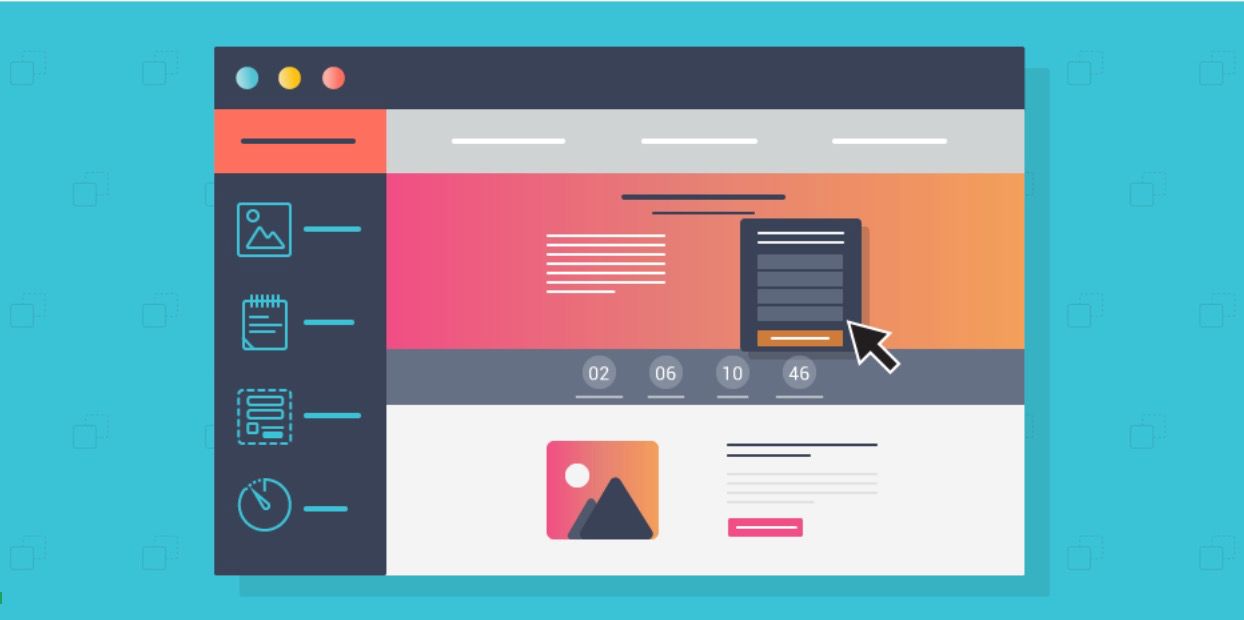
The page editor uses a column-row-element system similar to Elementor. You can build opt-in pages, sales pages, webinar registration pages, and order forms without writing code. Mobile preview and editing are built in.
Pre-built funnel templates cover the most common use cases: lead generation, tripwire offers, webinar funnels, and product launches. Most templates need visual customization but the structural logic is solid.
One practical limitation: the editor still lacks the pixel-level flexibility of a dedicated page builder like Thrive Architect. If design precision matters, you’ll notice the constraints.
Email and automation (Workflows)
ClickFunnels 2.0 replaced the old Actionetics email tool with a visual automation builder called Workflows. You can trigger sequences based on funnel steps, purchases, tag assignments, or custom events.
For basic sequences — welcome series, post-purchase follow-up, abandoned cart — Workflows handles it fine. For advanced behavioral segmentation across multiple lists, most power users still connect an external tool like ActiveCampaign or Kit via webhook.
Course platform
The built-in course builder lets you host videos, PDFs, and quizzes inside a student portal without a separate Teachable or Thinkific subscription. Student progress tracking and drip scheduling are included.
For course creators just getting started, this reduces the monthly tool stack meaningfully. For more mature course businesses with 500+ students and complex completion logic, Kajabi or Teachable Pro offer richer student experience features.
Affiliate management
The built-in affiliate center lets you create an affiliate program for any product sold through ClickFunnels without a third-party tool like ThriveCart or PartnerStack. You set commission rates, generate affiliate links, and track payouts from one dashboard.
This feature alone justifies the platform for sellers who want their own affiliate channel from day one.
What ClickFunnels 2.0 does well
Speed to launch. A complete funnel — opt-in page, thank-you page, upsell, and email follow-up — can be live in a single afternoon using a template. That speed has real value for marketers who test offers frequently.
Everything in one login. Even with its limitations, having funnels, email, courses, and affiliate tracking under one roof reduces integration friction. Fewer broken Zapier connections. Fewer billing headaches.
Community and ecosystem. The ClickFunnels user base is large. That means third-party courses, template marketplaces, Facebook groups, and YouTube tutorials are plentiful. Finding answers to specific build questions is relatively easy.
Checkout and upsell flow. The one-click upsell mechanic — where a customer clicks “yes” on an upsell without re-entering payment info — is polished and conversion-tested. Many competitors still have clunkier implementations.
Where ClickFunnels 2.0 falls short
Price vs. competition. At $147/mo for the Basic plan, ClickFunnels is one of the most expensive funnel-focused platforms on the market. Systeme.io offers a free plan that covers funnels, email, and courses. GetResponse’s paid plan includes basic funnels at a fraction of the cost.
Page design ceiling. The editor is functional but not as flexible as Elementor Pro on WordPress. Users who want fine-grained typography control or unique layout designs often feel boxed in.
Email depth. Workflows covers common automation cases well but lacks advanced segmentation features found in ActiveCampaign or even Brevo at a lower price point. If email is the core of your business, a standalone tool is still the stronger option.
Blog SEO limitations. The 2.0 blog feature is new and improving, but it lacks the plugin ecosystem and SEO depth of WordPress with Semrush integration. Using ClickFunnels as a primary content SEO platform in 2026 still puts you at a disadvantage.
Load speed. ClickFunnels-hosted pages have improved since 2022, but they still trail hand-optimized WordPress pages hosted on SiteGround or WP Engine in third-party speed tests [verify with current data]. Page speed matters for paid traffic quality scores.
ClickFunnels vs. the main alternatives
| Tool | Starting price | Best for | Free plan/trial | Standout difference |
|---|---|---|---|---|
| ClickFunnels 2.0 | $147/mo | Offer-focused marketers, info products | 14-day free trial | Mature ecosystem, polished upsells |
| Systeme.io | Free (paid from $27/mo) | Beginners, tight budgets | Free plan (unlimited time) | Most affordable all-in-one available |
| Kartra | $119/mo | Service businesses, done-for-you agencies | 14-day trial ($1) | Stronger helpdesk and calendar features |
| GoHighLevel | $97/mo | Marketing agencies, white-label needs | 14-day free trial | White-label client sub-accounts |
| Kajabi | $149/mo | Course and membership site creators | 14-day free trial | Best-in-class course and community tools |
The pattern is clear. ClickFunnels sits in a crowded middle ground. It’s not the cheapest, not the most feature-complete for any single use case, but it’s the most battle-tested specifically for direct-response style offers and short funnel sequences.
Who should (and shouldn’t) use ClickFunnels in 2026
Best for ClickFunnels if:
- You sell digital products, coaching, or info products with clear upsell paths
- You run paid traffic (Facebook Ads, YouTube Ads) and need fast page launches
- You want one platform for funnels, basic email, and an affiliate program without custom integration
- You have a budget of $150+/mo and prioritize speed over cost-optimization
Consider an alternative if:
- You’re just starting out with under $50/mo to spend — Systeme.io’s free plan handles core funnel and email needs without a credit card
- Your primary product is an online course with a rich student experience — Kajabi or Teachable offers a more polished learner portal
- You run a marketing agency managing multiple clients — GoHighLevel at $97/mo with white-label sub-accounts is purpose-built for that workflow
- You need enterprise-grade email automation — ActiveCampaign combined with a cheaper page builder beats ClickFunnels on email depth per dollar
ClickFunnels review: is it worth it in 2026? Our verdict
Answering ClickFunnels review: is it worth it in 2026? requires honesty on both sides of the ledger.
The platform is genuinely useful for a specific profile: a digital product seller who runs paid traffic, needs fast funnel deployment, and values the affiliate center. If that’s you, the $147/mo Basic plan earns its keep relatively quickly.
For everyone else — especially beginners spending their own money — the price-to-value ratio doesn’t hold up against Systeme.io or even a self-hosted WordPress stack with Thrive Suite ($299/year for Thrive Suite vs. $1,764/year for ClickFunnels Basic).
Our take: ClickFunnels 2.0 is a mature, capable platform that charges a premium for convenience and ecosystem depth. It’s worth it if you’ll actually use three or more of its modules (funnels + email + courses + affiliates). It’s not worth it as a funnel-only tool when cheaper, more focused options exist.
Frequently asked questions
Does ClickFunnels 2.0 replace your email marketing tool?
For simple sequences — welcome series, purchase follow-ups, broadcast emails — Workflows covers the basics. But it lacks the behavioral segmentation depth of ActiveCampaign or Kit. Many serious email marketers still connect a dedicated ESP via webhook even while using ClickFunnels for their funnel pages.
Is there a free version of ClickFunnels?
No. ClickFunnels does not offer a permanent free plan. The current offer is a 14-day free trial. If cost is a barrier, Systeme.io offers a genuinely free plan with up to 2,000 contacts, 3 funnels, and 1 course — a meaningful alternative for early-stage businesses.
What’s the difference between ClickFunnels Classic and ClickFunnels 2.0?
ClickFunnels Classic (the original product) capped at basic funnels, email via Actionetics, and membership areas. ClickFunnels 2.0 is an architectural rebuild with a blog CMS, redesigned automation (Workflows), a course platform, and a new page editor. The two share no codebase; skills from Classic don’t transfer directly.
How long does it take to build a funnel in ClickFunnels?
Using a pre-built template, a basic two-page opt-in funnel takes about 1–2 hours to customize and go live. A full sales funnel with order form, upsell page, and email automation takes one full work day for someone new to the platform. Experienced users work faster.
Is ClickFunnels still relevant with so many alternatives available?
Yes — but less dominant than five years ago. The rise of Systeme.io, GoHighLevel, and improved course platforms means ClickFunnels no longer sets the market standard on every feature. It remains highly relevant for direct-response marketers who prioritize conversion-tested templates and the existing community ecosystem.
Want more guides like this? Bookmark Two Funnels Away and check back as we publish in-depth comparisons across every major funnel and email tool in the market.
0 Comments on "ClickFunnels review: is it worth it in 2026?"
Related posts





Leave a Comment
You must be logged in to post a comment.